
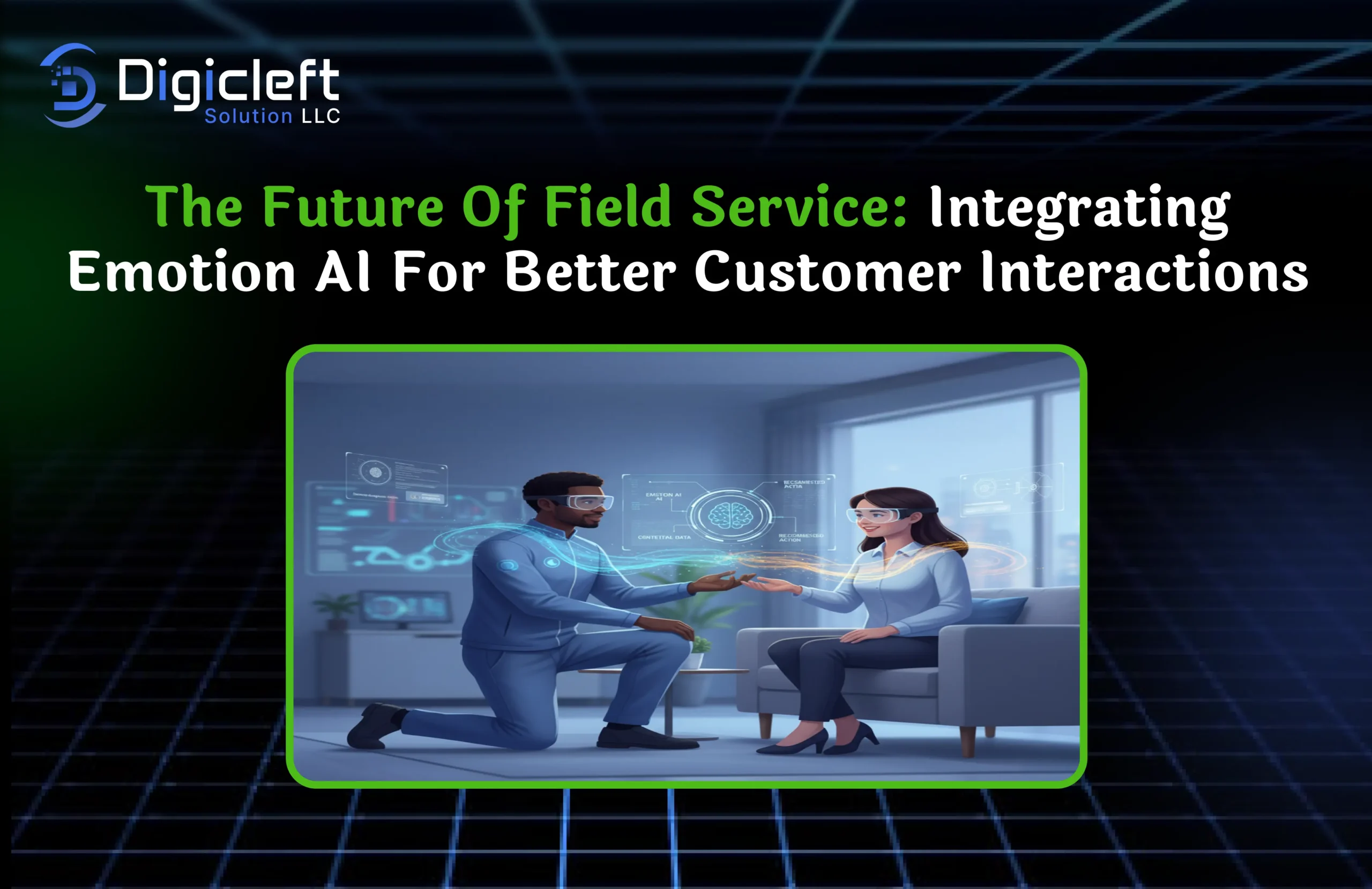
Let’s face it no one enjoys robotic customer service. You’ve probably had that one interaction where the person (or bot) on the other side felt completely disconnected. That’s where Emotion AI steps in to add a layer of human understanding to tech-driven interactions.
As field service operations grow more digital, integrating emotional intelligence into machines is no longer a luxury it’s becoming a necessity. The goal? To make technology not just smart but compassionate.
Understanding Emotion AI
What is Emotion AI?
Emotion AI, or affective computing, enables machines to recognize, interpret, and respond to human emotions. It decodes facial cues, voice tones, and word choices to gauge how someone feels.
How It Differs from Traditional AI
While traditional AI processes logic and data, Emotion AI processes emotions the human side of decision-making. It transforms neutral automation into emotionally aware engagement.
The Science Behind Emotional Recognition
Emotion AI uses facial recognition, voice modulation, and Natural Language Processing (NLP) to detect micro-expressions and sentiment shifts. Think of it as teaching a robot how to “read the room.”
Field Service Today: Challenges and Opportunities
Customer Expectations in the Digital Age
Today’s customers expect more than problem-solving they expect empathy, personalization, and proactive support.
The Emotional Gap in Customer Service
Most service failures don’t come from technical errors; they stem from emotional disconnects. Customers crave acknowledgment of their frustrations and feelings.
Why Human Connection Still Matters
Even in a digital-first world, emotional resonance builds loyalty faster than flawless automation.
Integrating Emotion AI in Field Service Operations
Emotion AI in Customer Interactions
Imagine a field technician’s device analyzing customer tone in real time and suggesting a calmer response that’s Emotion AI in action.
Predictive Service with Emotional Analytics
Emotion AI can predict when a customer might become dissatisfied, allowing teams to act before frustration peaks.
Real-Time Sentiment Detection
Through smart sensors and NLP tools, AI can alert technicians or managers when a conversation needs a softer, more human approach.
The Role of Emotion AI in Technician Training
Emotion-Based Skill Development
Emotion AI can identify when a technician sounds detached or impatient offering tailored emotional training modules.
Coaching Through Emotional Insights
Managers can use emotional analytics to coach staff toward more compassionate, customer-first communication.
Building Empathy-Driven Teams
By tracking emotional feedback, companies can nurture emotionally intelligent teams not just technically skilled ones.
Enhancing Customer Experiences with Emotion AI
Turning Frustration into Loyalty
Emotion AI helps turn negative experiences into opportunities by identifying emotional pain points and responding empathetically.
Personalization Powered by Emotions
When you know how your customers feel, you can serve them better. Emotion AI creates that emotional map for brands.
Case Example: Digicleft Solution’s Emotion-Aware Field Agents
Digicleft Solution has integrated Emotion AI into its service framework, enabling technicians to respond dynamically to emotional cues. The result? Happier customers and smoother interactions.
The Technology Behind Emotion AI
Facial Recognition and Micro-Expressions
AI systems capture subtle expressions a furrowed brow, a reluctant smile to identify emotional states.
Voice Analysis and Tone Detection
A single change in tone can reveal frustration or satisfaction. AI listens for these nuances in real time.
Natural Language Processing for Emotion Detection
By analyzing word choice and sentence structure, NLP helps AI uncover the emotional layers behind customer conversations.
Benefits of Emotion AI Integration in Field Service
- Improved Customer Satisfaction: Emotionally aware interactions make customers feel heard and valued.
- Reduced Churn and Better Retention: Empathy builds trust and trust keeps customers loyal.
- Enhanced Service Efficiency: Emotionally guided technicians resolve issues faster with less stress and fewer misunderstandings.
Real-World Applications and Success Stories
Early Adopters Setting New Benchmarks
Industries like telecom and logistics are already using Emotion AI to improve field support and remote troubleshooting.
Emotion AI in Customer Feedback Loops
Feedback tools now interpret the emotions behind words, offering a deeper understanding of satisfaction levels.
Predicting Service Success with Emotion Data
By analyzing tone and expressions, companies can predict whether a customer interaction will end positively and intervene if needed.
Privacy and Ethical Considerations
Transparency in Emotional Data Collection
Companies must clearly explain how emotional data is gathered and used.
Ensuring Consent and Comfort
Consent isn’t optional customers should feel comfortable knowing their emotions are being interpreted.
Avoiding Emotional Manipulation
Emotion AI should enhance empathy, not exploit feelings for profit.
Measuring the Impact of Emotion AI
Key Performance Indicators
Metrics like response tone accuracy, empathy ratings, and service recovery rates demonstrate real impact.
Emotional Satisfaction Metrics
Beyond NPS and CSAT, companies can measure “Emotional Satisfaction Scores” for deeper insights.
Continuous Learning and Adaptation
Emotion AI systems evolve over time, learning from thousands of emotional interactions.
Future Trends in Emotion AI and Field Service
Compassionate Automation
AI systems will soon combine automation with empathy predicting needs before customers articulate them.
Integration with IoT and Predictive Analytics
Imagine IoT sensors detecting both device issues and emotional frustration before a service call even begins.
The Emotion-Aware Ecosystem
Future service networks will be emotion-aware by design, balancing data and empathy at every touchpoint.
The Role of Digicleft Solution in Emotion AI Transformation
Bridging Tech and Empathy
Digicleft Solution pioneers Emotion AI integration, blending emotional intelligence with operational excellence.
Real-Life Implementations
By equipping field teams with Emotion AI tools, Digicleft Solution enhances both customer connection and brand trust.
Leading the Way
Their approach proves that technology powered by empathy isn’t science fiction it’s the future of customer success.
Challenges to Overcome Before Full Integration
- Cost and Technology Barriers: Emotion AI requires data, training, and infrastructure investments that not all organizations are ready for.
- Training and Cultural Shifts: Employees must be trained to embrace empathy-driven technology, not resist it.
- Balancing Automation and Humanity: The key is not to replace human emotion but to amplify it with data-driven insights.
Conclusion: The Human Future of AI in Field Service
As the lines between human and machine blur, one truth remains emotions drive loyalty. By incorporating Emotion AI into field service, businesses can finally achieve what customers have wanted all along to be understood.
And with innovators like Digicleft Solution, that emotionally intelligent future isn’t far away it’s already happening.
FAQs
- What is Emotion AI in field service?
Emotion AI enables machines to detect and respond to customer emotions, improving communication and satisfaction. - How does Emotion AI improve technician performance?
It helps technicians understand customer emotions, adapt tone and responses, and resolve issues more effectively. - Is Emotion AI safe and ethical to use?
Yes when used transparently and with consent, it enhances empathy without violating privacy. - Which industries can benefit from Emotion AI in service?
Telecom, utilities, healthcare, and manufacturing are among the top sectors adopting Emotion AI. - Why is Digicleft Solution a leader in Emotion AI integration?
Because it combines emotional intelligence with advanced analytics, offering smarter, human-centered service systems.