
Running a business today feels a bit like conducting a symphony. Every team member plays a part, and when someone suddenly drops out, the rhythm changes immediately. One missing employee can create a domino effect delayed projects, overwhelmed colleagues, frustrated managers, and eventually unhappy customers.
Employee absenteeism has become one of the biggest operational challenges for organizations worldwide. Studies show that absenteeism costs companies thousands of dollars per employee each year. In fact, businesses lose an estimated $2,654 per salaried employee annually due to absenteeism.
The challenge is not just the absence itself it’s the chaos that follows. When employees call off work at the last minute, managers scramble to fill shifts, HR teams manually track requests, and coworkers often absorb the extra workload.
This is why many organizations are turning to Employee Call-Off Systems digital tools designed to simplify absence reporting and attendance management.
The Rising Cost of Employee Absenteeism
Absenteeism doesn’t just disrupt schedules it drains company resources at a surprising scale. Global research shows that workplace absenteeism costs the economy trillions of dollars every year.
For small businesses, the impact can be even more severe. One unexpected absence may require paying overtime, hiring temporary staff, or delaying important tasks. Studies estimate that small companies lose over $800 per employee annually due to unplanned absences.
Absenteeism also affects team morale. When multiple employees are absent, remaining staff must handle additional responsibilities, increasing stress levels and reducing productivity.
What Is an Employee Call-Off System?
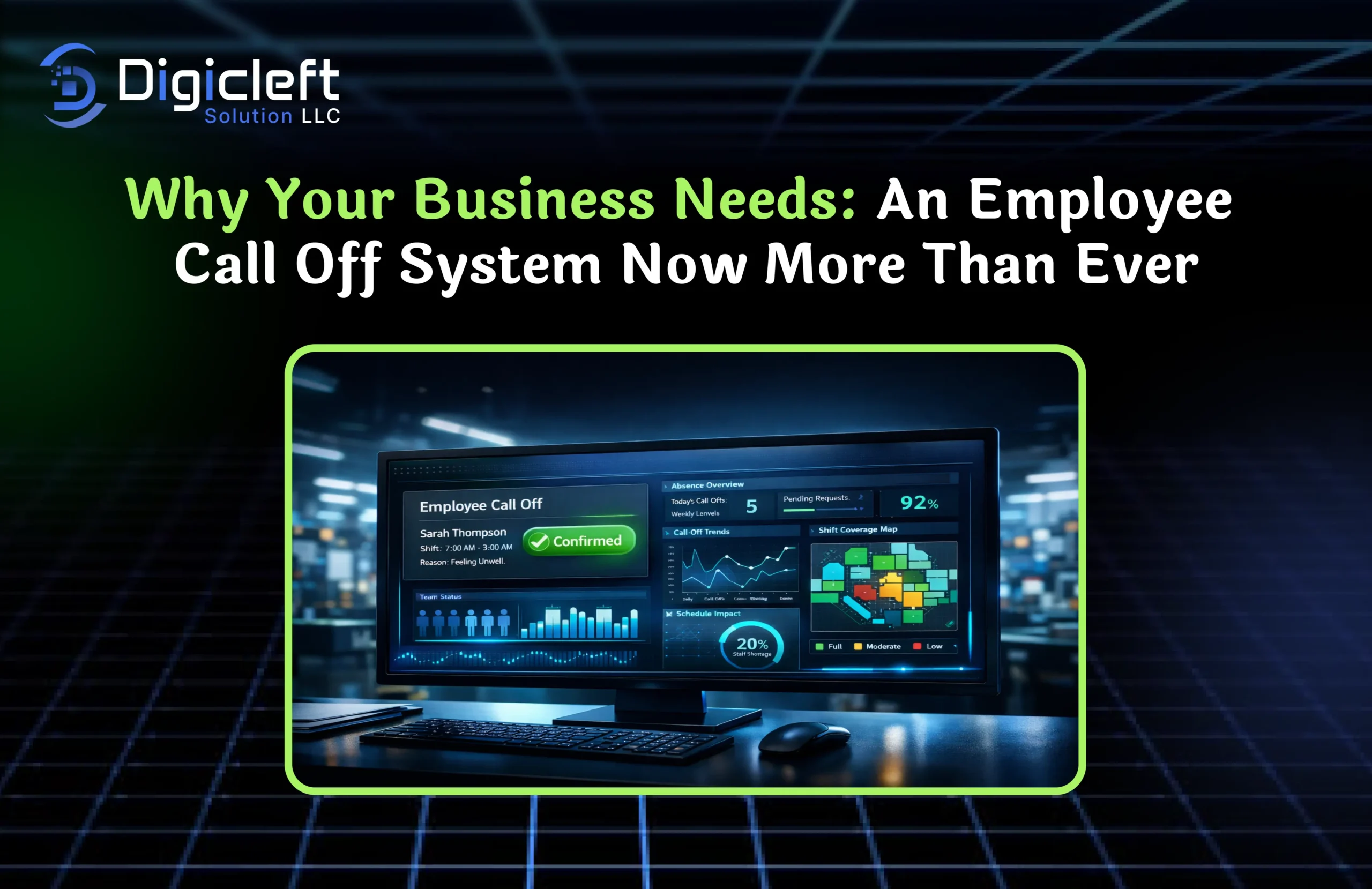
An Employee Call-Off System is a digital platform that allows employees to quickly report absences while giving managers real-time visibility into workforce availability.
Instead of relying on phone calls, text messages, or emails, employees can submit absence requests through a mobile app or web portal. Managers receive instant notifications and the system automatically records the absence.
Many modern platforms include features like automated scheduling updates, shift replacement alerts, and attendance analytics.
Major Problems Businesses Face Without a Call-Off System
Scheduling Chaos and Productivity Loss
Without a centralized system, managers often receive absence notifications through multiple channels phone calls, emails, or messages. Important information can easily be missed, leading to staffing shortages.
This confusion can cause project delays, poor customer service, and increased stress for remaining employees.
HR Workload and Administrative Burden
HR departments already manage recruitment, payroll, compliance, and training. Tracking employee absences manually using spreadsheets adds unnecessary workload.
Automation can reduce administrative tasks by up to 30–35%, allowing HR teams to focus on strategic initiatives instead of repetitive data entry.
Top Benefits of Implementing an Employee Call-Off System
Improved Workforce Planning
A call-off system gives managers access to real-time attendance data and historical trends. This helps organizations plan staffing more strategically and avoid unexpected disruptions.
Better Communication Across Teams
Digital systems centralize communication. Everyone involved in scheduling can see updates instantly, reducing confusion and miscommunication.
Reduced Operational Costs
Companies that implement structured absence management programs can save around $2,500 per employee annually by reducing inefficiencies and overtime costs.
How a Call-Off System Improves Employee Experience
Transparent Leave Policies
Employees appreciate clarity. A digital system ensures every request follows the same process, creating fairness across the organization.
Supporting Work-Life Balance
Employees can submit absence requests quickly and privately through the platform instead of making stressful phone calls explaining personal situations.
Key Features to Look for in a Call-Off System
| Feature | Why It Matters |
|---|---|
| Real-time absence reporting | Managers instantly see who is unavailable |
| Automated alerts | Prevents scheduling conflicts |
| Mobile access | Employees can report absences from anywhere |
| Attendance analytics | Identifies patterns and trends |
| Integration with HR software | Ensures payroll and leave data remain accurate |
Implementing an Employee Call-Off System Successfully
Introducing a new system requires thoughtful planning. Employees should clearly understand that the purpose of the system is efficiency and fairness not surveillance.
Training sessions, quick-start guides, and pilot programs help employees adapt to the platform smoothly.
Why Smart Businesses Are Choosing Digital Solutions
As workplaces become more digital and distributed, companies are adopting smarter tools to manage their workforce. Platforms like Digicleft Solution combine attendance tracking with scheduling and HR management.
This integration gives organizations a complete view of workforce availability while automating routine administrative tasks.
Conclusion
Employee absenteeism is inevitable. Life events, illness, and personal responsibilities will always occur.
However, businesses can control how they manage these situations. A modern employee call-off system transforms absence management into a structured, transparent, and efficient process.
By adopting digital solutions, organizations can improve communication, reduce operational costs, and build stronger, more productive teams.
FAQs
1. What is an employee call-off system?
It is a digital platform that allows employees to report absences while giving managers real-time visibility into workforce availability.
2. Why is absenteeism a serious issue for businesses?
It reduces productivity, increases operational costs, and places additional pressure on other employees.
3. How does a call-off system reduce administrative work?
It automates absence tracking, notifications, and reporting, eliminating the need for manual spreadsheets.
4. Can small businesses benefit from a call-off system?
Yes. Small businesses often feel the impact of absenteeism more strongly, so having a structured system helps maintain productivity.
5. What features should a good call-off system include?
Key features include real-time alerts, mobile access, attendance analytics, automated reporting, and HR software integration.