
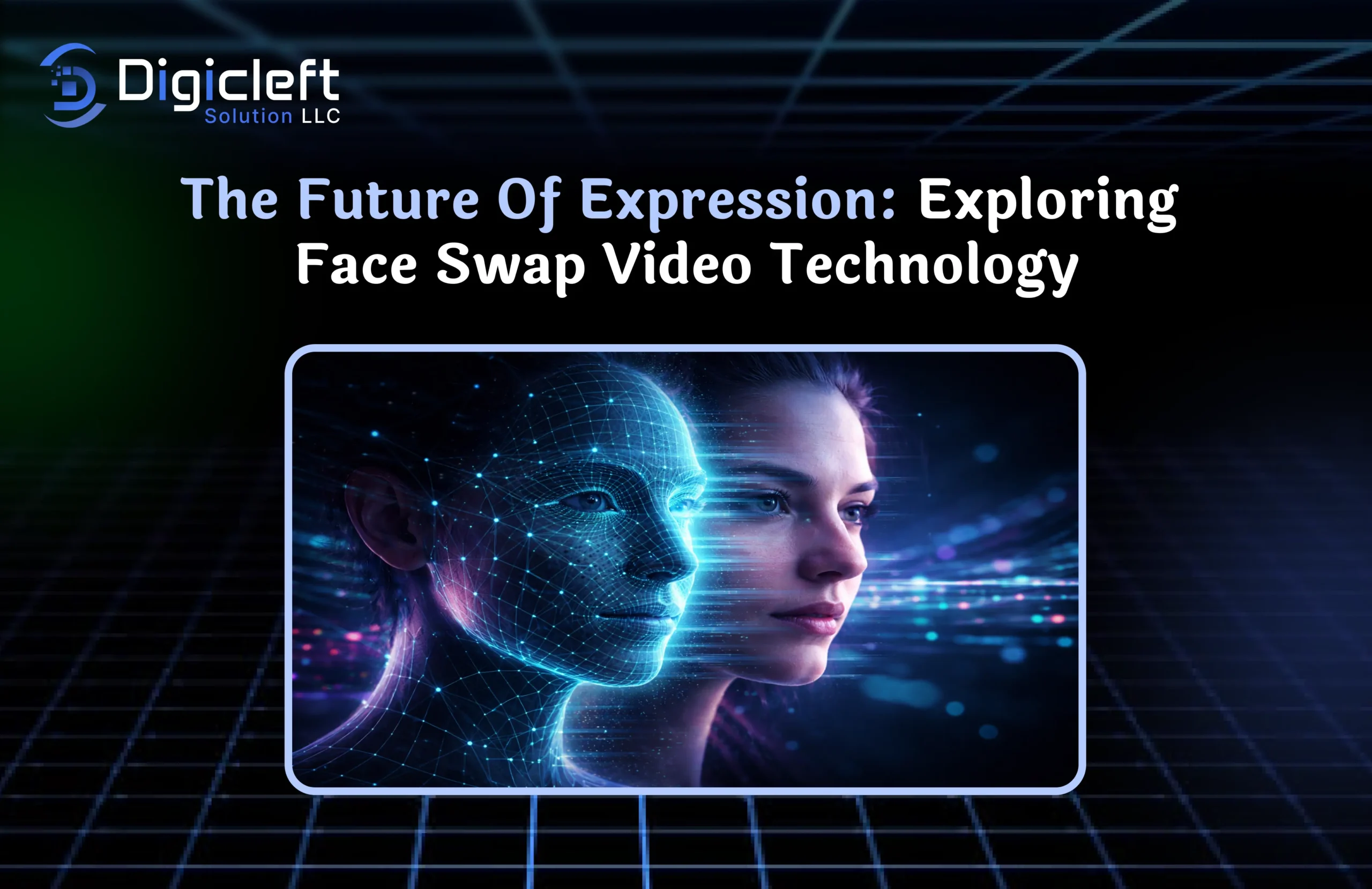
Have you ever watched a video and thought, “Wait… is that really them?” That split second of confusion is where face exchange video technology lives. It’s fascinating. A little surreal. And honestly? It’s reshaping how we express ourselves online.
What Is Face Exchange Video Technology?
Face exchange video technology uses artificial intelligence to replace one person’s face with another in a video — often in real time. Unlike basic filters that simply overlay a mask, this technology tracks expressions, lighting, angles, and movements to create a result that feels almost natural.
It’s not just about fun anymore. It’s about storytelling, branding, education, and even identity.
How It Differs from Traditional Video Editing
Traditional editing is frame-by-frame work. Slow. Manual. Detailed.
AI-powered face exchange learns patterns, predicts movements, and adapts lighting automatically. What once took weeks can now take minutes.
The Evolution of Face Swapping
Early Image Manipulation Tools
Before AI, image manipulation tools like Photoshop allowed basic edits. Static images. Clumsy overlays. Funny? Yes. Convincing? Not really.
Rise of AI-Powered Deep Learning
Then deep learning changed everything. Neural networks began analyzing thousands of facial expressions. Software could now understand how cheeks move during a smile and how eyes narrow when laughing.
It wasn’t just editing anymore. It was simulation.
Role of Neural Networks in Real-Time Switching
Neural networks map facial landmarks — eyes, nose, jawline — and replicate movements onto another face. Think of it as tracing someone’s emotional blueprint and projecting it onto a new canvas.
How Face Exchange Video Technology Works
Facial Recognition and Mapping
The system identifies key facial points and tracks them throughout the video. Every blink, smile, or raised eyebrow is recorded.
Machine Learning and Data Training
AI models are trained on large datasets of facial expressions. The more data available, the more realistic the output becomes.
Generative Adversarial Networks (GANs) Explained Simply
GANs work like two artists competing. One creates fake images. The other critiques them. Over time, the creator improves until the results look remarkably real.
Why Face Exchange Videos Are Gaining Popularity
Social Media and Viral Content
Platforms like TikTok and Instagram thrive on novelty. Face exchange videos grab attention instantly and drive engagement.
Entertainment and Film Industry Adoption
Film studios have experimented with de-aging actors and digital doubles. This technology is transforming visual storytelling.
Personal Branding and Creative Expression
Creators can embody characters without expensive production. Brands can personalize campaigns without reshooting entire projects.
Real-World Applications Beyond Entertainment
Marketing and Advertising Campaigns
Brands can tailor a single campaign for multiple regions by adapting faces to different audiences.
Education and E-Learning
Imagine historical figures explaining concepts visually. Learning becomes immersive and memorable.
Gaming and Virtual Reality
Gamers can project their own faces onto avatars in real time, increasing immersion in virtual environments.
Face Exchange Technology in Cinema and Media
De-Aging Actors
AI allows actors to appear decades younger without heavy makeup or reshoots.
Reviving Historical Figures
Films and documentaries can recreate figures for educational storytelling — though this raises ethical concerns.
Ethical Storytelling in Film
Just because technology makes it possible doesn’t mean it should always be used. Consent and context are essential.
The Ethical Debate Around Face Exchange Videos
Deepfakes vs. Creative Content
Not all face swaps are harmful. However, deepfakes used maliciously can damage reputations and spread misinformation.
Privacy and Consent Concerns
Using someone’s likeness without permission crosses ethical and legal boundaries.
Legal Implications Worldwide
Governments are developing regulations requiring disclosure for AI-altered media in some regions.
Risks and Abuse of Face Exchange Technology
Misinformation and Fake News
Manipulated videos can spread rapidly and erode public trust.
Identity Theft and Fraud
Face-based authentication systems may become targets if security measures are weak.
Safeguards and Responsible Innovation
AI Detection Tools
Advanced algorithms can detect inconsistencies invisible to the human eye.
Watermarking and Transparency
Invisible watermarks help trace original sources and verify authenticity.
Policy and Regulation Efforts
Tech companies and lawmakers are collaborating to balance creativity with responsibility.
The Role of Businesses and Startups
Creative Agencies Using Face Exchange
Forward-thinking agencies integrate face exchange tools to reduce costs and increase engagement.
How Digicleft Solutions Integrates Innovation
At Digicleft Solutions, innovation isn’t about chasing trends — it’s about applying them strategically. By combining AI-driven face exchange technology with ethical guidelines and creative storytelling, businesses can personalize content responsibly.
The Future of Face Exchange Video Technology
Real-Time Swapping in Live Streaming
Live broadcasts with dynamic identity shifts may soon become interactive experiences.
Integration with Augmented Reality (AR)
AR glasses could allow seamless identity changes during conversations.
Personalized Digital Avatars
Individuals may maintain multiple digital personas — professional, creative, anonymous — each with a unique identity.
Human Identity in a Digital Age
Expression vs. Authenticity
If anyone can look like anyone, authenticity may shift from appearance to intention.
Rethinking Creativity
Face exchange technology doesn’t replace creativity — it expands it.
Tips for Using Face Exchange Technology Responsibly
- Always seek consent.
- Use verified and transparent platforms.
- Avoid deceptive or harmful content.
Conclusion
Face exchange video technology is more than a trend — it’s a turning point in digital expression. Used responsibly, it unlocks creativity on a scale never seen before. Used recklessly, it erodes trust.
The future of digital identity is here. The real question is: how will we shape it?
FAQs
1. Is face exchange technology the same as deepfake technology?
Not exactly. Deepfakes are a subset of face exchange technology and are often associated with misuse.
2. Can face exchange videos be detected?
Yes. AI detection tools analyze inconsistencies in pixels, lighting, and motion patterns.
3. Is it legal to create face exchange videos?
It depends on consent and local laws. Unauthorized use of someone’s likeness can result in legal consequences.
4. How can businesses benefit from face exchange technology?
Businesses can create personalized marketing campaigns, interactive ads, and immersive digital experiences.
5. What is the future of face exchange technology?
Expect real-time AR integration, personalized avatars, and expanded use across industries.