
What Digital Evolution Really Means
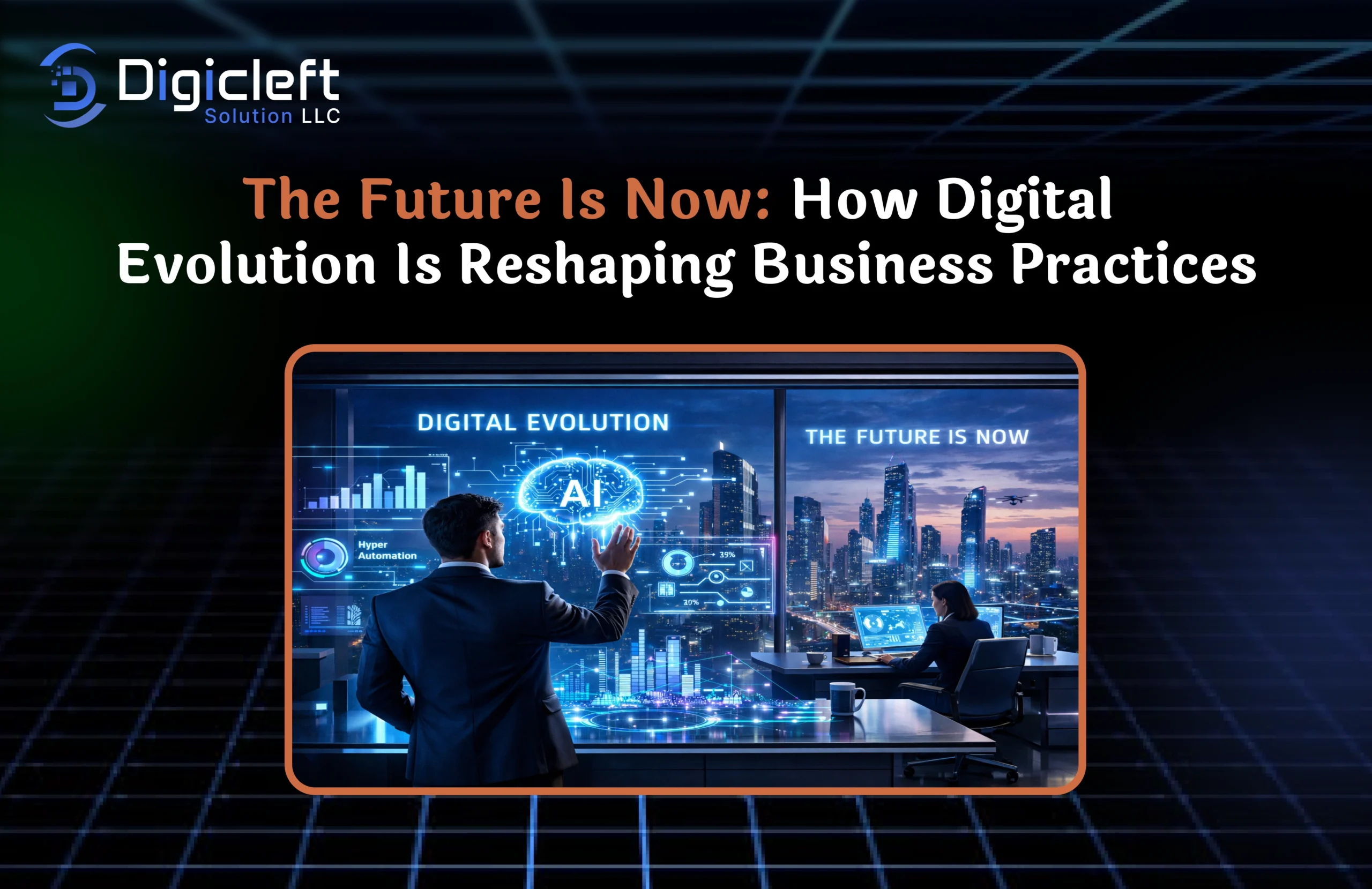
Digital evolution isn’t just about using new tools it’s a complete shift in how businesses think, operate, and connect with customers. Imagine switching a slow bike for a high-speed electric car; that’s the kind of leap companies experience when they embrace modern technologies. From cloud computing to AI-driven insights, everything is moving faster, smarter, and more efficiently.
Why Businesses Can’t Ignore the Shift
Let’s be honest businesses that resist digital change often struggle to stay competitive. Consumers expect instant service, personalized experiences, and seamless online interactions. Companies that adopt a digital-first mindset position themselves ahead of the curve, ready to adapt instead of reacting too late.
The Rise of Digital-First Mindsets
From Traditional Operations to Smart Systems
Gone are the days when paperwork ruled the office. Today’s businesses use automation, analytics, and digital platforms to streamline workflows. This digital-first approach reduces manual errors and speeds up decision-making.
Examples of Digital-First Companies
Think about companies that operate almost entirely online. They use cloud tools, remote teams, and AI-driven analytics to deliver faster services. Their success proves that embracing digital transformation isn’t just trendy — it’s essential.
Automation and Artificial Intelligence in Business
How AI is Transforming Decision-Making
Artificial intelligence acts like a super-smart assistant. It analyzes huge amounts of data and predicts outcomes faster than any human team. Businesses use AI to read demand, optimize supply chains, and improve customer service.
Real-World Automation Use Cases
Chatbots handle basic inquiries, automated marketing tools send personalized emails, and AI-driven systems help detect fraud. Automation frees employees to focus on creativity and strategy rather than repetitive tasks.
The Data-Driven Revolution
Big Data and Predictive Analytics
Data is often called the “new oil,” but it’s more like a treasure map. Companies analyze customer behavior, market trends, and operational metrics to make informed decisions.
Turning Raw Data into Business Value
Businesses that harness analytics can predict trends before they happen. For example, retailers use predictive analytics to stock products customers are likely to buy, reducing waste and maximizing profits.
Cloud Computing and Remote Work Culture
The Remote Workforce Transformation
Cloud technology has made remote work not only possible but incredibly productive. Employees can collaborate from anywhere, access documents instantly, and attend virtual meetings without missing a beat.
Collaboration Tools Changing the Workplace
Tools like project management platforms and video conferencing apps make teamwork smoother. Remote work has transformed office culture, emphasizing flexibility and trust.
Customer Experience in the Digital Age
Personalization and Customer Journey Mapping
Customers expect businesses to understand their needs. Personalized product recommendations, tailored emails, and customized content create a more engaging experience.
Digital Communication Channels
From social media messages to live chat support, companies now communicate with customers in real-time. Quick responses build trust and loyalty.
Digital Marketing and Brand Growth
Social Media’s Role in Business Evolution
Social platforms allow brands to connect directly with their audience. Businesses use storytelling, influencer partnerships, and interactive content to increase engagement.
SEO and Content Strategy
Search engine optimization helps companies appear where customers are searching. High-quality content builds credibility and drives organic traffic over time.
Cybersecurity in a Digital Business Environment
Growing Threats and Risks
With more digital tools comes greater responsibility. Cyberattacks, data breaches, and phishing scams are serious risks businesses must address.
Practical Security Measures
Regular software updates, employee training, and strong encryption systems help protect sensitive information. Cybersecurity isn’t optional — it’s a necessity.
E-Commerce and the New Retail Experience
Omnichannel Shopping Trends
Modern customers move seamlessly between online and offline channels. Businesses must provide consistent experiences whether shoppers browse a website or walk into a store.
The Role of Digital Payments
Cashless payments, mobile wallets, and instant checkout options make transactions faster and more accessible.
Leadership in the Age of Digital Transformation
Skills Modern Leaders Need
Today’s leaders must be adaptable, tech-savvy, and open to innovation. Emotional intelligence and data literacy are just as important as traditional management skills.
Building Innovative Teams
Encouraging collaboration and experimentation fosters creativity. Leaders who empower employees to share ideas often see faster innovation.
Challenges Businesses Face During Digital Evolution
Resistance to Change
Employees may feel uncertain about new technology. Clear communication and proper training help teams feel confident during transitions.
Budget and Technology Constraints
Not every company has a massive tech budget. Prioritizing scalable solutions ensures businesses invest wisely.
The Role of Innovation and Continuous Learning
Upskilling the Workforce
Digital transformation requires new skills. Training programs and workshops keep employees updated on emerging tools.
Embracing Experimentation
Innovation thrives when companies encourage testing new ideas. Not every experiment will succeed, but each one teaches valuable lessons.
Small Business Opportunities in the Digital Era
Leveling the Playing Field
Digital tools allow small businesses to compete with larger organizations. Affordable marketing platforms and e-commerce systems make growth attainable.
Affordable Tech Solutions
Cloud-based software often offers flexible pricing, enabling startups to adopt advanced technology without massive upfront costs.
Sustainability Through Digital Transformation
Smart Resource Management
Digital solutions reduce paper waste, optimize energy use, and streamline logistics.
Green Technology Trends
Companies increasingly adopt eco-friendly technologies to meet consumer expectations and regulatory requirements.
Future Trends That Will Shape Business

Emerging Technologies to Watch
Blockchain, augmented reality, and advanced robotics are already influencing industries. Businesses that experiment early often gain competitive advantages.
The Rise of Hyper-Automation
Hyper-automation combines AI, machine learning, and robotic process automation to create seamless workflows. It’s like giving your business a supercharged engine.
Conclusion
Digital evolution isn’t a distant future it’s happening right now. Businesses that embrace technology, prioritize customer experience, and invest in innovation will thrive in an increasingly competitive landscape. Whether you’re a startup or an established enterprise, adopting a digital-first mindset can transform how you operate, connect, and grow.
FAQs
1. What is digital evolution in business?
Digital evolution refers to integrating modern technologies into business processes to improve efficiency, innovation, and customer experience.
2. How can small businesses benefit from digital transformation?
They gain access to affordable tools, reach wider audiences online, and compete more effectively with larger companies.
3. Why is data important in modern business practices?
Data helps companies understand customers, predict trends, and make informed strategic decisions.
4. What challenges do companies face during digital transformation?
Common issues include employee resistance, budget limitations, and adapting to new technologies.
5. How can leaders prepare for digital change?
By fostering a culture of innovation, investing in employee training, and staying updated on emerging technologies.