
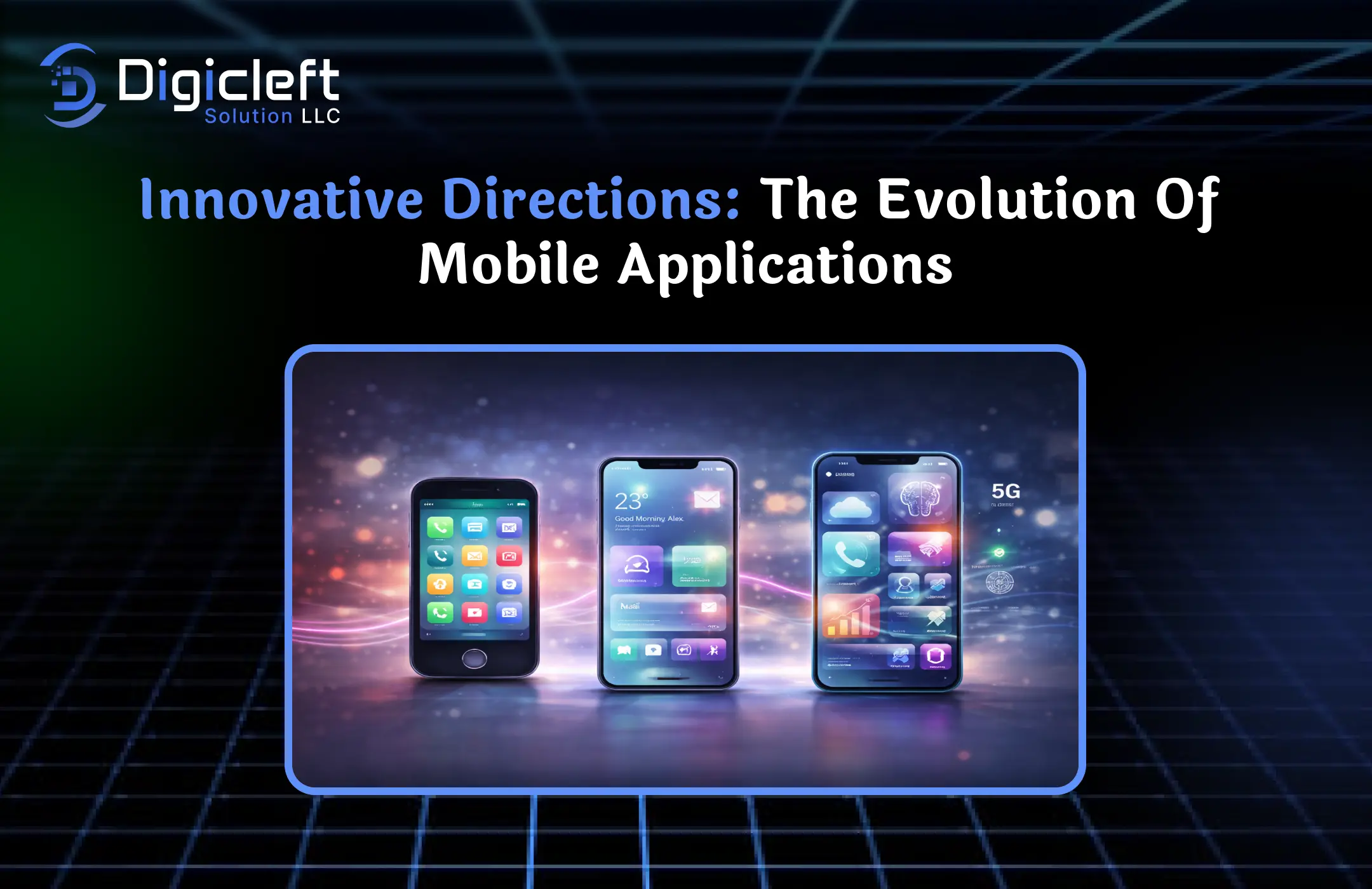
Beforehand Mobile Apps and Their Limitations
If you rewind the clock to the early days of mobile technology, apps were incredibly basic almost like digital flyers rather than interactive tools. These early applications were built for functionality, not experience. Think calculators, simple games, or SMS-based utilities.
They were limited by hardware constraints, slow internet speeds, and minimal processing power. Developers had to work within tight boundaries, which meant innovation often took a backseat to practicality.
But even within those limitations, something powerful was happening. Users were slowly getting comfortable with the idea of doing things on their phones checking information, playing games, or managing simple tasks. That shift in behavior laid the foundation for what was about to explode into a massive digital ecosystem.
Rise of Smartphones and App Ecosystems
The introduction of smartphones changed everything. Suddenly, devices became powerful enough to support complex applications, and app stores created a structured marketplace for distribution. This wasn’t just a technical upgrade it was a behavioral revolution.
People started relying on apps for communication, entertainment, banking, and even healthcare. Today, mobile apps are deeply embedded in everyday life. The global mobile app market is projected to approach $900–935 billion in revenue, with downloads exceeding 181 billion annually.
The Current Mobile App Landscape (2026 Insights)
Market Size and Growth Statistics
The numbers surrounding mobile apps in 2026 are stunning. In India alone, users spend over 1.3 trillion hours annually on mobile apps, reflecting how deeply integrated they are in daily routines. Globally, the industry is moving toward a trillion-dollar ecosystem driven by subscriptions, premium services, and AI-powered experiences.
Changing User Behavior and Expectations
Users today are more demanding than ever. They expect apps to load instantly, respond intelligently, and anticipate their needs. Around 53% of users uninstall an app after just one bad experience. That statistic alone highlights how critical performance and usability have become.
Modern users don’t just want functionality — they want experiences. Apps are now judged by how they feel, not just what they do.
AI-Powered Mobile Applications
Generative AI Integration
Artificial intelligence has shifted from being a feature to becoming the backbone of modern mobile apps. In 2026, AI is deeply integrated into app architecture, enabling real-time decision-making, automation, and content generation.
Reports suggest that 40% of enterprise applications will include AI agents by 2026, compared to less than 5% just a few years ago. That kind of growth indicates a fundamental shift in how apps are built and used.
Predictive and Personalized Experiences
Imagine opening an app that already knows what you want before you even tap the screen. AI-driven apps analyze user behavior, preferences, and patterns to deliver hyper-personalized experiences.
From e-commerce apps suggesting products at the perfect moment to finance apps offering real-time budgeting advice, predictive intelligence is becoming the new standard.
Cross-Platform and Multi-Platform Development
Benefits for Businesses
Gone are the days when developers needed separate codebases for Android and iOS. Cross-platform development has become the industry standard, allowing businesses to build apps faster and more cost-effectively. Companies can reduce development time and costs by 40–60% using modern frameworks.
Popular Frameworks in 2026
Frameworks like Flutter, React Native, and Kotlin Multiplatform dominate the development landscape. These tools deliver near-native performance while simplifying the development process.
Performance-Driven User Experience
Role of 5G and Edge Computing
Speed has become a defining factor in app success. With the widespread adoption of 5G and edge computing, apps can now deliver near-instant responses with latency as low as 10 milliseconds.
Importance of Speed and Optimization
Users no longer tolerate delays. Even a slight pause can lead to frustration and app abandonment. Developers must prioritize performance optimization to ensure apps run smoothly across different devices and network conditions.
Privacy-First Mobile Applications
Data Security Evolution
In a world where data breaches are becoming more common, privacy has become a top priority for users. Modern apps are adopting advanced security measures like end-to-end encryption and on-device data processing.
User Trust as a Competitive Advantage
Trust is no longer optional — it’s a competitive advantage. Apps that prioritize transparency and data security are more likely to retain users and build long-term loyalty.
Immersive Technologies in Mobile Apps
AR and VR Integration
Augmented reality (AR) and virtual reality (VR) are transforming how users interact with apps. From virtual try-ons in e-commerce to immersive learning experiences, these technologies are creating new possibilities.
The AR market alone is expected to exceed $220 billion by 2026, highlighting its growing importance.
Monetization Strategies in Modern Apps
Subscription Models
Subscription-based models have become a dominant revenue stream, providing consistent income for businesses. Users are willing to pay for value, especially when apps offer premium features and personalized experiences.
Hybrid Monetization Approaches
Modern apps often combine multiple monetization strategies, including ads, in-app purchases, and subscriptions. This hybrid approach maximizes revenue while catering to different user preferences.
The Role of UX/UI in App Success
Minimalist and User-Centric Design
Good design is invisible. The best apps feel natural and intuitive, allowing users to achieve their goals without friction. Minimalist design focuses on simplicity, clarity, and usability.
Emotional Design and Engagement
Apps that connect emotionally with users tend to perform better. Whether it’s through personalized content or engaging visuals, emotional design plays a crucial role in user retention.
How to Create Engaging and Intuitive Websites for Maximum Impact
Creating a powerful digital experience is not limited to mobile apps — it extends to websites as well. The key is to focus on user intent, seamless navigation, and fast performance. A well-designed website should guide users effortlessly, just like a well-structured app.
The Digicleft approach focuses on blending design, technology, and user psychology to create impactful digital experiences. By prioritizing performance, personalization, and intuitive design, businesses can build platforms that not only attract users but also keep them engaged.
Future Predictions for Mobile Applications
AI Agents and Automation
The future of mobile apps lies in automation. AI agents are expected to handle complex tasks, reducing the need for manual interaction.
Decline of Traditional Apps?
Experts predict a 25% decline in traditional app usage by 2027 as AI assistants take over routine tasks. This does not mean apps will disappear — it means they will evolve into smarter, more integrated systems.
Conclusion
The evolution of mobile applications is far from over. It is entering a phase where intelligence, speed, and user experience define success. Businesses that adapt to these changes will thrive, while those that resist may struggle to keep up.
Mobile apps are no longer just tools — they are ecosystems. And as technology continues to advance, the line between apps, websites, and digital experiences will continue to blur.
FAQs
1. What is the biggest trend in mobile apps in 2026?
Artificial intelligence, especially generative AI and predictive analytics, is the most significant trend shaping mobile applications.
2. Are mobile apps still relevant in the future?
Yes, but they are evolving into smarter, AI-driven platforms with deeper integration across devices.
3. Why is user experience important in mobile apps?
User experience directly impacts retention, engagement, and overall success of an app.
4. What technologies are shaping mobile app development?
Key technologies include AI, 5G, edge computing, AR/VR, and cross-platform frameworks.
5. How can businesses create better digital experiences?
By focusing on performance, personalization, and intuitive design.