
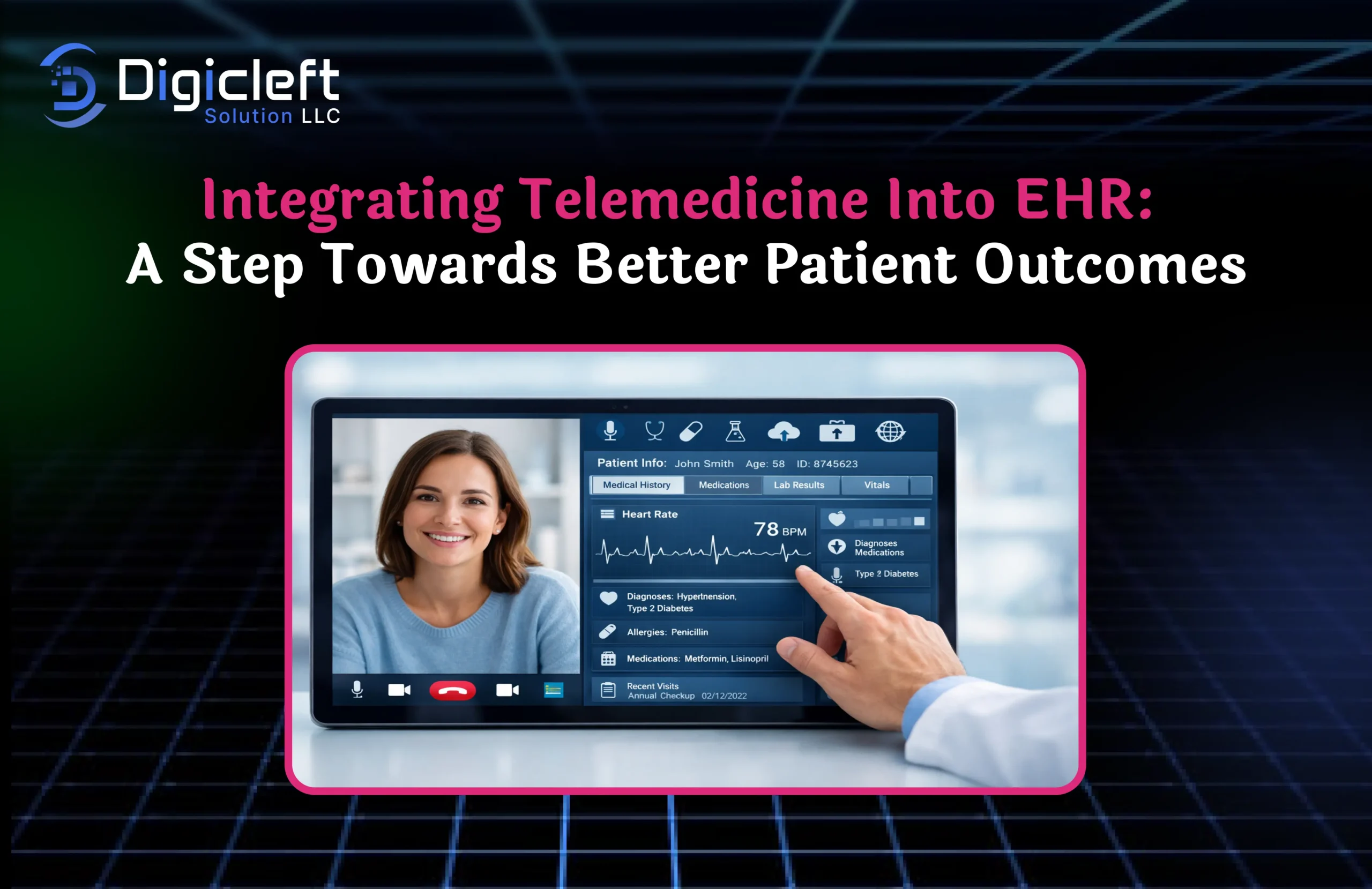
Preface to Telemedicine and EHR Integration
Healthcare is no longer confined to hospital walls. It has expanded into living rooms, smartphones, and digital platforms. At the heart of this transformation lies the integration of telemedicine with Electronic Health Records (EHR). Think of it as connecting the conversation with the memory where virtual care meets comprehensive patient history.
What Is Telemedicine?
Telemedicine allows doctors and patients to connect using video calls, secure messaging, or mobile applications. It brings the clinic directly to the patient’s home. From routine follow-ups to specialist consultations, telemedicine removes geographical barriers from healthcare.
Understanding Electronic Health Records (EHR)
EHR systems are digital versions of patient charts. They store medical history, lab results, prescriptions, imaging data, and clinical notes. When EHR systems function properly, clinicians gain a complete view of the patient. When they don’t, care becomes fragmented.
Why Integrating Telemedicine into EHR Matters
The Shift Toward Digital Healthcare
The healthcare industry is experiencing a digital awakening. Patients now expect the same convenience they receive from online banking or food delivery services. Telemedicine without EHR integration is like having a conversation without documentation. Integration ensures that no clinical detail is lost.
Patient Expectations in the Modern Era
Patients expect seamless care. They do not want to repeat their medical history to every provider. When telemedicine is integrated with EHR systems, every virtual visit becomes a permanent part of the patient’s healthcare journey.
How Telemedicine EHR Integration Works
Core Components of Integration
Integration connects telehealth platforms with EHR systems, allowing data to flow securely in both directions.
Data Synchronization
Visit notes, prescriptions, vitals, and session recordings sync directly into the EHR eliminating manual entry and reducing errors.
Secure Communication Channels
Encrypted video calls, secure messaging, and authenticated access ensure that sensitive patient data remains protected.
Benefits of Integrating Telemedicine into EHR
Improved Patient Outcomes
Real-time access to complete patient data enables faster and more accurate clinical decisions, directly improving patient outcomes.
Enhanced Clinical Decision-Making
Integrated systems eliminate guesswork. Clinicians can instantly review trends, previous diagnoses, and medications like using a GPS instead of a paper map.
Better Care Coordination
Specialists, primary care providers, and nurses access the same up-to-date information, keeping everyone aligned.
Impact on Healthcare Providers
Reduced Administrative Burden
Manual documentation drains productivity. Automation through integration frees clinicians to focus on patients rather than paperwork.
Improved Workflow Efficiency
Scheduling, billing, prescriptions, and follow-ups operate within a single ecosystem—fewer tools and fewer disruptions.
Impact on Patients
Convenience and Accessibility
Patients can consult doctors without travel, waiting rooms, or time off work. Integrated EHR ensures these visits are fully documented.
Continuity of Care
Whether care is delivered in person or via video, the medical record remains complete, creating a continuous care experience.
Data Security and Compliance Considerations
HIPAA and Local Regulations
Compliance is mandatory. Integrated systems must adhere to HIPAA, GDPR, and local healthcare regulations to protect patient information.
Ensuring Data Privacy
Role-based access, encryption, and audit logs are essential. Strong security builds trust, and trust drives adoption.
Role of AI and Analytics in Integrated Systems

Predictive Insights
AI analyzes telemedicine and EHR data to predict risks, detect anomalies, and recommend early interventions.
Personalized Care Plans
With richer data, treatment plans adapt to individual patient behavior, history, and outcomes.
Challenges in Telemedicine EHR Integration
Technical Barriers
Legacy systems, limited interoperability, and weak APIs can slow integration efforts.
User Adoption Issues
Technology succeeds only when people use it. Training and intuitive design are critical for adoption.
Best Practices for Successful Integration
Choosing the Right Technology Partner
Not all vendors are equal. A partner like Digicleft Solutions focuses on interoperability, scalability, and healthcare-specific requirements.
Training and Change Management
Structured onboarding and continuous support help organizations transition smoothly.
Real-World Use Cases
Chronic Disease Management
Remote monitoring integrated with EHR enables effective management of diabetes, hypertension, and heart disease.
Mental Health Services
Telepsychiatry thrives when therapy notes and treatment plans remain centralized within the EHR.
Future of Telemedicine and EHR Integration
Interoperability Trends
FHIR standards and open APIs are shaping a more connected healthcare ecosystem.
Patient-Centered Digital Ecosystems
Patients will increasingly control and access their health data across multiple platforms.
How Digicleft Solutions Supports Healthcare Transformation
Custom Integration Approaches
Digicleft Solutions designs telemedicine EHR integrations that align with unique clinical workflows rather than forcing one-size-fits-all solutions.
Scalable and Secure Systems
From startups to enterprise hospitals, scalability and security remain top priorities.
Measuring Success and ROI
Key Performance Indicators
Reduced no-shows, faster documentation, and improved patient satisfaction demonstrate measurable impact.
Long-Term Value
Beyond cost savings, integrated systems enhance care quality and provider well-being.
Conclusion
Integrating telemedicine into EHR is not just a technical upgrade it is a strategic move toward better patient outcomes. It connects conversations with context, convenience with continuity, and innovation with care. As healthcare evolves, integrated digital ecosystems powered by partners like Digicleft Solutions will define the future.
FAQs
1. Why is telemedicine and EHR integration important?
It ensures virtual visits are fully documented, improving care continuity and clinical decision-making.
2. Does integration improve patient outcomes?
Yes, real-time access to complete patient data leads to faster and more accurate treatment.
3. Is telemedicine EHR integration secure?
When implemented correctly, it follows strict compliance standards and encryption protocols.
4. What challenges should healthcare providers expect?
Technical compatibility and user adoption are common challenges but manageable with the right partner.
5. How does Digicleft Solutions help?
Digicleft Solutions provides customized, secure, and scalable integrations tailored to healthcare needs.