
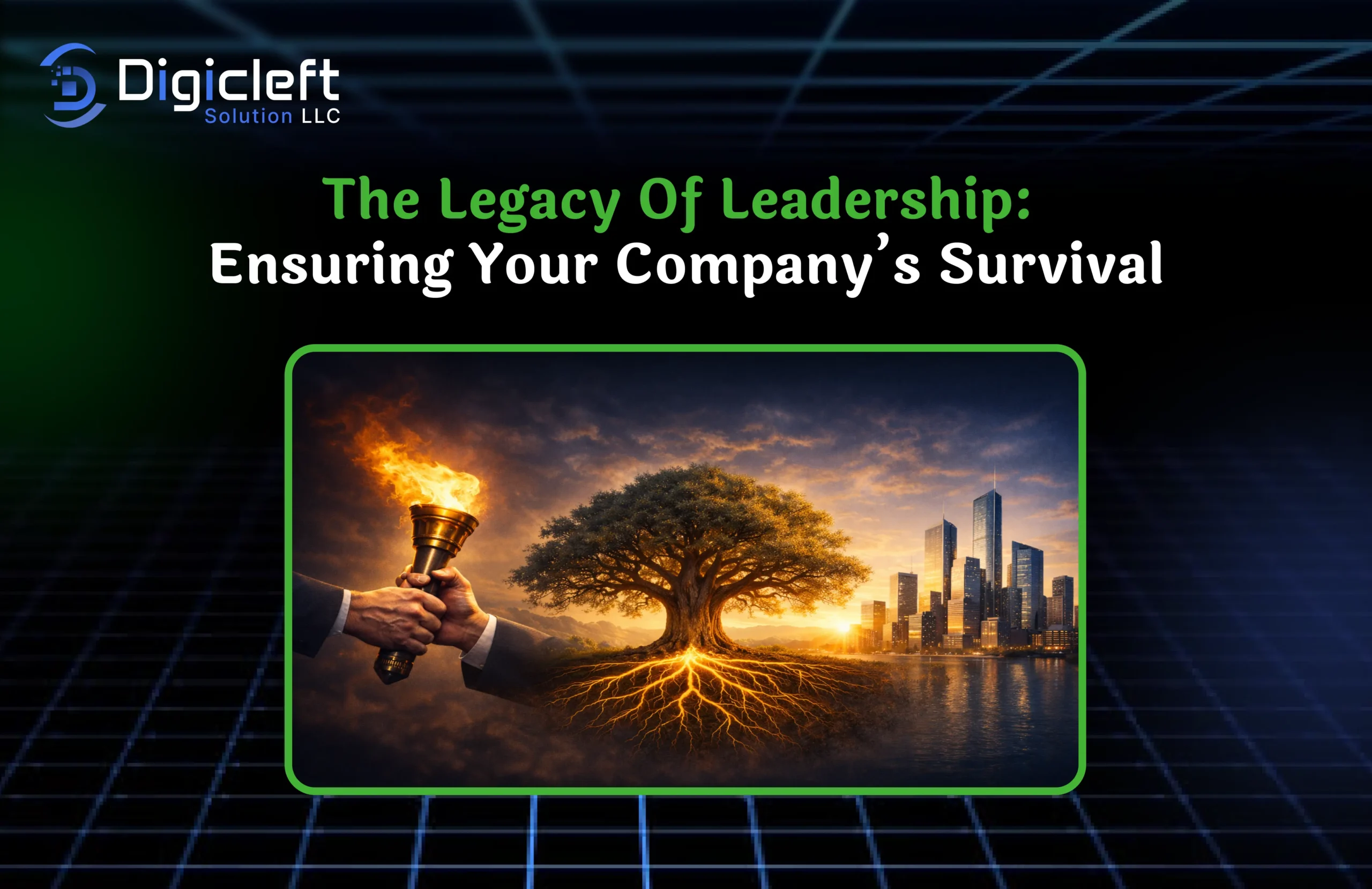
Businesses don’t collapse overnight. They erode slowly and gradually often because leadership failed to look beyond the next quarter.
We live in a time where markets shift in months, trends disappear in weeks, and customer loyalty feels thinner than ever. So what truly keeps a company alive for decades?
Not charisma. Not hype. Not even profits alone. A true leadership legacy ensures your company survives long after you step down.
The Fragile Nature of Modern Businesses
Look around. How many once-dominant brands have faded?
The reality is harsh: most businesses don’t survive beyond a generation. Why? Because they were built around a person, not a system.
When the founder leaves, the structure collapses.
Leadership as the Anchor in Uncertain Times
A strong leader is like a ship captain during a storm. But a legacy-driven leader builds a vessel that can sail without them.
That’s the difference.
What Is a Leadership Legacy?
Beyond Profits and Performance
A leadership legacy isn’t about how much revenue you generated. It’s about what remains when you’re gone.
- Did you build resilient teams?
- Did you establish values that guide decisions?
- Did you create systems that function independently?
That’s legacy.
The Emotional and Cultural Imprint
Legacy lives in culture in how employees speak about the company and how customers describe your brand.
It’s invisible but powerful.
The Connection Between Leadership and Long-Term Survival
Short-Term Wins vs Long-Term Vision
Short-term thinking feels productive daily targets, rapid scaling, fast expansion.
But survival requires patience.
Leadership is like planting a tree. You won’t sit in its shade immediately. But one day, others will.
Building Systems That Outlast You
Processes. Documentation. Clear standards. These are not boring administrative tasks they are survival tools.
If your company depends entirely on your presence, it’s fragile.
Vision: The Foundation of Sustainable Leadership
Crafting a Clear, Compelling Future
A leader without vision is like a GPS without a destination.
Where are you taking your team?
Your vision should be specific enough to inspire and broad enough to evolve.
Communicating Vision with Impact
A vision locked in your head is useless.
Repeat it. Live it. Connect daily tasks to long-term goals. When people understand the “why,” performance transforms.
Values: The Invisible Glue Holding Everything Together
Defining Core Values
Values guide behavior when no one is watching.
Integrity. Innovation. Responsibility. Choose intentionally.
Embedding Values into Daily Operations
Integrate values into hiring decisions, performance reviews, and promotions. Otherwise, they become just wall decorations.
Culture: The Real Competitive Advantage
Culture isn’t ping-pong tables or casual Fridays. It’s how problems are solved.
Creating Ownership and Responsibility
When employees feel ownership, they protect the company as if it’s their own.
That’s survival insurance.
Psychological Safety and Innovation
If people fear mistakes, innovation dies.
And when innovation dies, so does the company.
Succession Planning: Preparing for the Inevitable
Identifying Future Leaders Early
Leadership gaps destroy companies.
Spot talent early. Develop it intentionally.
Mentorship as a Strategic Tool
Mentorship transfers wisdom, experience, and judgment.
It ensures longevity.
Adaptability: Surviving in a Fast-Changing World
Embracing Digital Transformation
Technology is no longer optional.
Forward-thinking leaders collaborate with digital experts like Digicleft Solutions to modernize operations and stay competitive.
Learning from Failure
Failure isn’t fatal refusing to learn is.
Resilient companies treat mistakes as data.
Building Strong Systems and Processes
Documentation and Knowledge Transfer
If critical information exists only in one person’s mind, you’re at risk.
Document everything.
Operational Resilience
Create backups. Cross-train employees. Diversify suppliers.
Prepare for disruption before it happens.
Financial Stewardship and Risk Management
Sustainable Growth Over Rapid Expansion
Fast growth feels exciting. But controlled growth lasts.
Cash flow discipline keeps companies alive during downturns.
Strategic Decision-Making
Think long-term ROI, not short-term applause.
Empowering Teams for Long-Term Stability
Delegation Without Abdication
Delegation builds capacity. Micromanagement destroys it.
Trust your team.
Trust as a Leadership Currency
Trust multiplies productivity. Distrust drains it.
Character and Brand Legacy
Ethical Leadership
Shortcuts damage reputation.
And reputation, once lost, is painfully hard to rebuild.
Customer Loyalty as a Survival Strategy
Loyal customers buffer economic shocks.
Invest in relationships, not just transactions.
Innovation as a Survival Strategy
Encouraging Creative Thinking
Reward ideas even imperfect ones.
Innovation keeps companies relevant.
Investing in Research and Development
Allocate resources for future growth, not just present stability.
Crisis Leadership and Resilience
Leading During Economic Downturns
Calm leadership prevents panic.
Transparency builds confidence.
Maintaining Morale in Difficult Times
In crises, people watch leaders closely.
Your behavior sets the tone.
Technology and the Modern Leader
Data-Driven Decisions
Instinct matters. But data clarifies.
Measure performance. Track trends. Adapt quickly.
Partnering with Digital Experts
Modern leaders don’t need to know everything but they must know who to trust.
Collaborating with innovative partners ensures your company evolves with technology rather than falling behind.
Measuring Leadership Impact Over Time
KPIs Beyond Revenue
Track retention rates, employee satisfaction, and brand sentiment.
These metrics predict longevity.
Employee and Customer Retention
High retention signals stability.
Low retention signals deeper issues.
Conclusion: The True Meaning of Leadership Legacy
Leadership isn’t about control. It’s about continuity.
Your real achievement isn’t building a successful company. It’s building one that thrives without you.
When your systems run smoothly. When your team leads confidently. When your culture endures.
That’s legacy.
And that’s survival.
FAQs
1. Why is leadership legacy important for business survival?
Because it ensures systems, culture, and vision continue even after leadership changes.
2. How can I start building a leadership legacy today?
Define your vision, document processes, mentor future leaders, and align daily actions with long-term goals.
3. What role does company culture play in survival?
Culture shapes behavior, innovation, and adaptability making it critical for long-term stability.
4. How does digital transformation impact leadership legacy?
It keeps businesses competitive and adaptable, ensuring relevance in changing markets.
5. Can small businesses benefit from succession planning?
Absolutely. Planning early prevents disruption and protects growth momentum.