
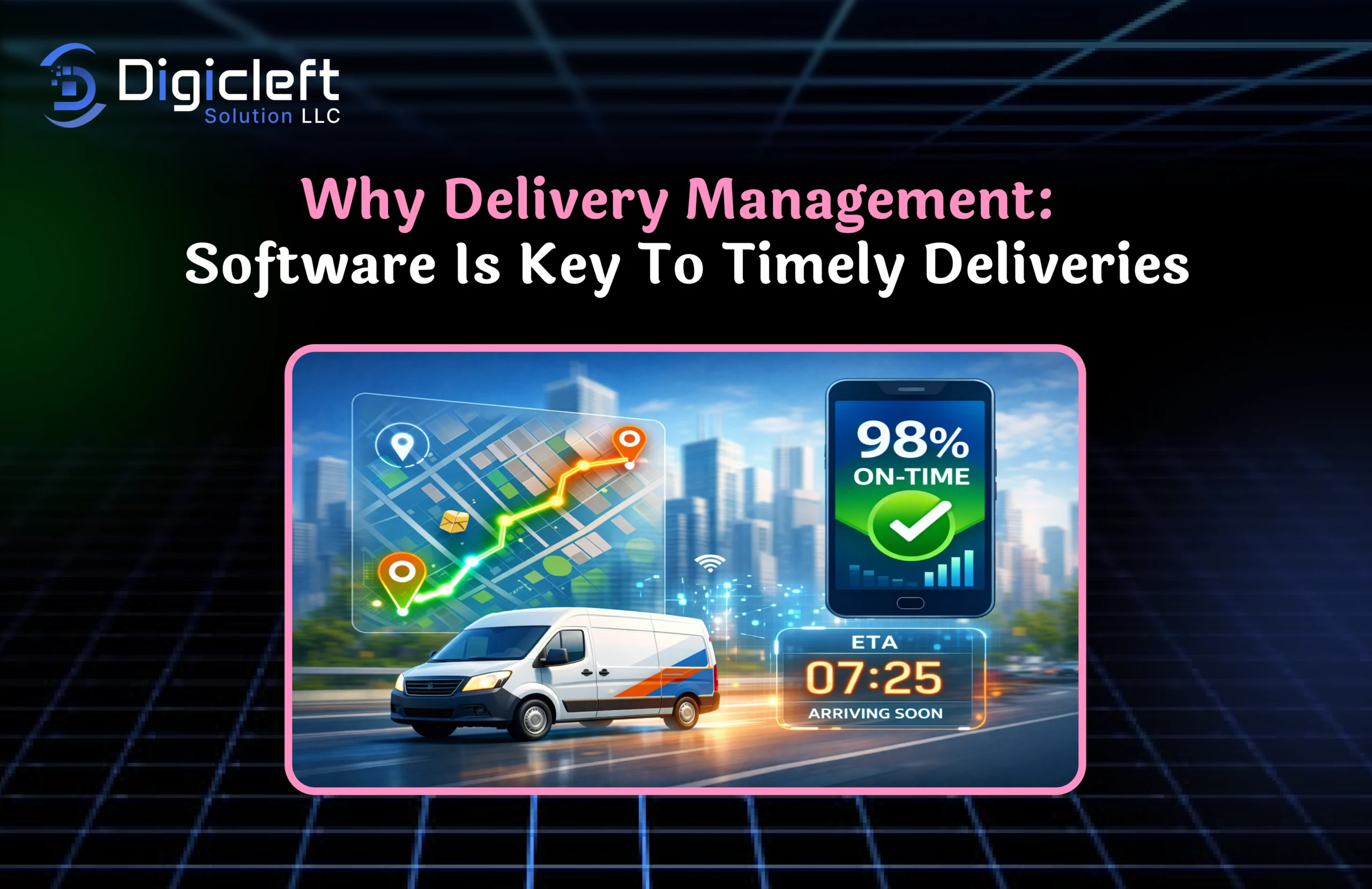
The Rise of Customer Expectations
Let’s be honest today’s customers expect lightning-fast deliveries. Thanks to e-commerce giants and instant delivery services, waiting days feels nearly outdated. People want accurate tracking, real-time updates, and their orders exactly when promised. One delay can feel like a broken promise, and businesses can lose loyal customers faster than you think.
The Pressure on Logistics Teams
Behind every delivery is a team juggling routes, schedules, traffic conditions, and unexpected delays. Without proper tools, managing deliveries becomes like solving a puzzle with missing pieces. Teams rely on guesswork instead of data, and that’s when problems begin to pile up.
What Is Delivery Management Software?
Definition and Core Purpose
Delivery management software is a digital platform designed to plan, track, and optimize delivery operations. Think of it as a smart control center that connects drivers, dispatchers, and customers in real time.
Key Components of Delivery Management Systems
- Route optimization tools
- Real-time tracking dashboards
- Automated dispatching
- Delivery analytics and reporting
- Communication tools for drivers and customers
Together, these features help businesses move from chaos to control.
The Growing Importance of Timely Deliveries
Impact on Customer Satisfaction
Timely deliveries aren’t just about logistics they’re about trust. Customers remember how a brand makes them feel. When packages arrive on time, it builds confidence. When they don’t, frustration grows quickly.
Business Reputation and Competitive Edge
In competitive markets, speed is a major differentiator. Companies that deliver faster and more reliably stand out. On the other hand, repeated delays can damage online reviews, social proof, and long-term brand perception.
Major Benefits of Delivery Management Software
Route Optimization and Smart Planning
Instead of drivers choosing routes manually, software calculates the most efficient paths based on traffic, distance, and delivery priority. It’s like having a GPS that understands business goals faster routes, fewer delays.
Real-Time Tracking and Visibility
Businesses and customers can monitor deliveries live. This transparency reduces anxiety for customers and helps businesses respond quickly if issues arise.
Automated Scheduling and Dispatching
Manual scheduling can feel like juggling flaming torches. Automation assigns deliveries based on driver availability, location, and workload, ensuring balanced operations.
Data-Driven Decision Making
Analytics help managers identify patterns late deliveries, peak hours, or inefficient routes. With data insights, businesses can make smarter decisions instead of relying on assumptions.
How Delivery Software Improves Operational Efficiency
Reducing Human Errors
Manual processes often lead to mistakes wrong addresses, missed deliveries, or scheduling conflicts. Delivery software minimizes these risks through automation and digital tracking.
Enhancing Driver Productivity
Drivers receive clear instructions, optimized routes, and instant updates. Less confusion means more deliveries completed within the same timeframe.
Simplifying Communication Between Teams
Imagine trying to coordinate dozens of drivers through phone calls alone exhausting, right? Delivery platforms centralize communication, keeping everyone on the same page.
Role of AI and Automation in Delivery Management
Predictive Analytics for Delivery Time
AI can analyze historical data, weather patterns, and traffic trends to predict delivery times more accurately. Customers receive realistic expectations, which reduces complaints.
Intelligent Resource Allocation
Automation assigns vehicles and drivers based on performance and availability. This ensures balanced workloads and prevents burnout among delivery teams.
Why Businesses Need Delivery Software Today
Scaling Operations Without Chaos
As businesses grow, delivery operations become more complex. Software allows companies to scale efficiently without losing control over logistics.
Cost Savings and ROI
Optimized routes reduce fuel consumption. Automated processes lower administrative costs. Over time, these savings add up, delivering a strong return on investment.
Real-World Applications Across Industries
E-commerce and Retail
Online retailers rely heavily on delivery performance. Real-time tracking and automated scheduling help ensure packages reach customers on time.
Food Delivery Services
Freshness and speed are everything in food delivery. Software ensures drivers follow the fastest routes and keeps customers updated about arrival times.
Manufacturing and Distribution
Manufacturers use delivery management systems to coordinate shipments between warehouses and retailers, ensuring smooth supply chains.
Challenges Without Delivery Management Software
Missed Deadlines and Customer Complaints
Without digital tools, delays become frequent. Customers lose trust, and businesses face increased returns and refunds.
Inefficient Resource Management
Manual planning often leads to wasted fuel, uneven workloads, and unnecessary expenses all avoidable with the right software.
Choosing the Right Delivery Management Software
Features to Look For
- Real-time tracking
- Route optimization
- Automated dispatching
- Mobile driver apps
- Reporting and analytics
Customization and Integration
Every business has unique workflows. Choose software that integrates easily with existing systems like CRM, ERP, or inventory management tools.
Digicleft Solution – A Smart Approach to Delivery Management
Many businesses are turning to platforms like Digicleft Solution to streamline delivery operations. With advanced tracking, intelligent routing, and automated workflows, companies gain better control over logistics. Instead of juggling multiple tools, a centralized platform simplifies operations and improves overall efficiency.
Future Trends in Delivery Management Technology
Automation and Robotics
Drones, autonomous vehicles, and robotic deliveries are becoming more common. These innovations promise faster and more cost-effective deliveries.
Sustainable and Eco-Friendly Deliveries
Green logistics is gaining momentum. Optimized routes and electric vehicles help reduce carbon footprints while improving operational efficiency.
Conclusion
Timely deliveries are no longer optional they’re a business necessity. Delivery management software acts like the backbone of modern logistics, connecting teams, optimizing routes, and improving customer experiences. From small startups to large enterprises, companies that embrace technology gain a significant advantage in speed, accuracy, and operational efficiency. With tools like Digicleft Solution, businesses can transform complex delivery operations into streamlined, predictable processes that drive growth and customer loyalty.
FAQs
1. What is delivery management software used for?
It helps businesses plan, track, and optimize delivery operations while improving efficiency and customer satisfaction.
2. How does delivery software improve delivery times?
By optimizing routes, automating scheduling, and providing real-time updates to drivers and managers.
3. Is delivery management software suitable for small businesses?
Yes, even small businesses benefit from automation, reduced errors, and better customer communication.
4. Can delivery software integrate with other business tools?
Most platforms integrate with CRM, inventory, and ERP systems to streamline workflows.
5. How does Digicleft Solution help with deliveries?
It offers centralized tracking, intelligent routing, and automation features that improve delivery speed and operational efficiency.