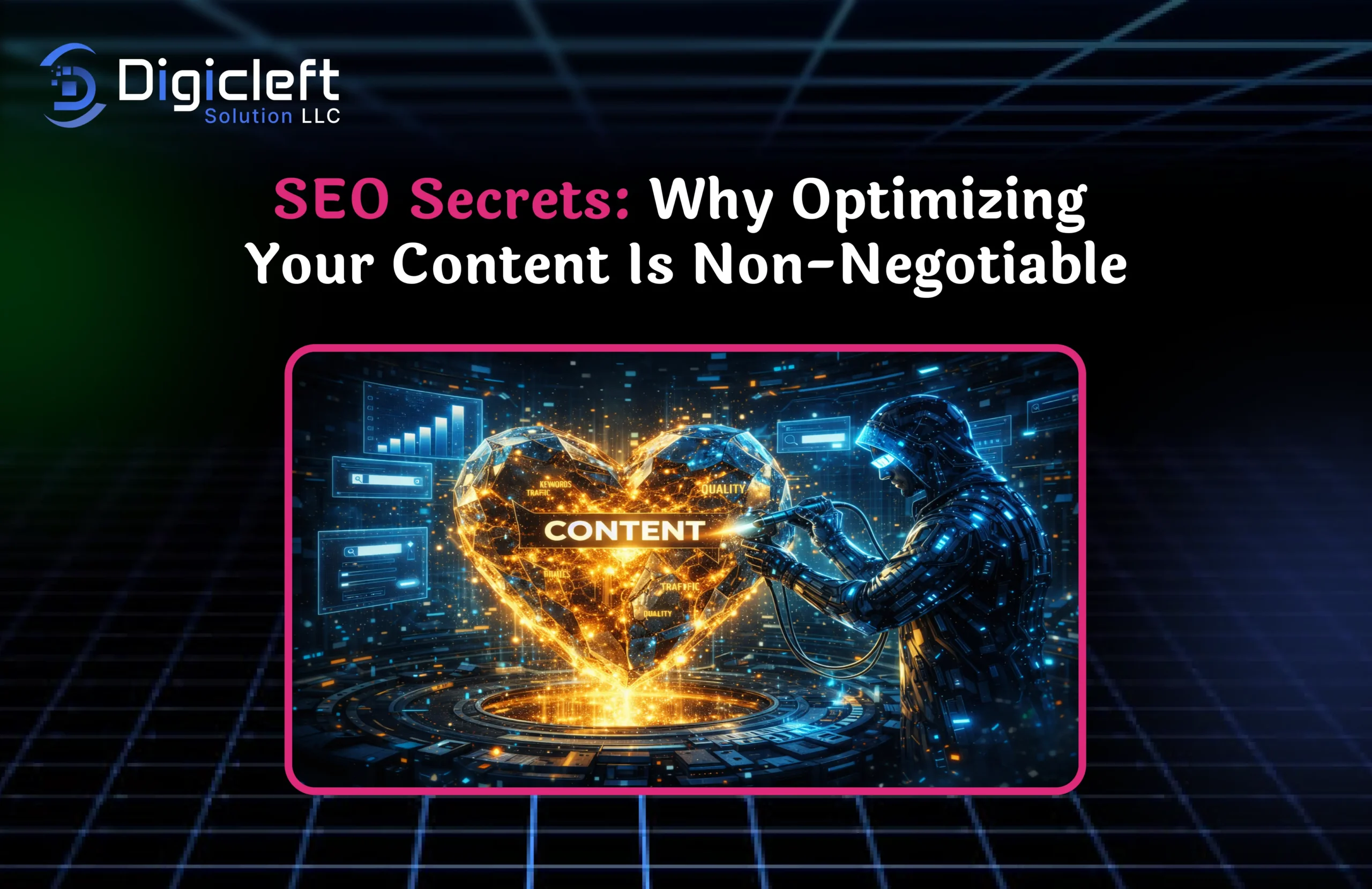
Preface to SEO in the Modern Digital World
Let’s be honest. The internet is crowded. Loud. Competitive. If your content isn’t optimized, it’s basically whispering in a stadium full of screaming voices.
SEO isn’t optional anymore. It’s survival.
The Evolution of Search Engines
Search engines started simple. Match a keyword, show a page. Easy.
Today, they’re smarter than ever. Algorithms analyze behavior, intent, engagement, speed, structure, and authority. They don’t just scan words they evaluate experience.
Google wants to serve the best answer. Period.
Why Visibility Equals Survival Online
If your website doesn’t show up on page one, does it even exist?
Most users never scroll past the first page. Many barely scroll past the first five results. Visibility equals credibility. And credibility equals revenue.
That’s why SEO is non-negotiable.
What Does Content Optimization Really Mean?
Optimization isn’t about stuffing keywords into paragraphs like confetti.
It’s about alignment.
Beyond Keywords – The Bigger Picture
Yes, keywords matter. But optimization also includes structure, clarity, speed, engagement, mobile responsiveness, and authority.
It’s like building a house. Keywords are bricks. But without architecture, plumbing, and wiring, nobody wants to live there.
User Intent and Search Behavior
Ask yourself: what does the user actually want?
- Information?
- A solution?
- A product comparison?
- Quick answers?
Matching intent is the difference between ranking and fading.
Technical and On-Page SEO Basics
On-Page SEO
- Headings (H1, H2, H3)
- Internal linking
- Image alt text
- Clean URLs
Technical SEO
- Site speed
- Crawlability
- Mobile usability
- Website security (HTTPS)
Miss either one, and your rankings suffer.
Why SEO Is Non-Negotiable for Businesses
Organic Traffic vs Paid Traffic
Paid ads stop when you stop paying.
Organic traffic compounds. One optimized article can bring visitors for years. That’s long-term equity.
Think of SEO as planting trees. Ads are renting billboards.
Trust, Authority, and Credibility
When users see your brand ranking organically, they trust you more. You didn’t buy that position — you earned it.
Authority builds loyalty. Loyalty builds growth.
The Psychology Behind Search Engines
How Algorithms Think
Search engines analyze behavioral signals such as:
- Click-through rate (CTR)
- Time on page
- Bounce rate
- User engagement
If users stay, interact, and find value — rankings improve.
Why Quality Beats Quantity
Ten weak articles won’t outperform one powerful, deeply optimized guide.
Depth wins. Relevance wins. Clarity wins.
Keyword Strategy That Actually Works
Finding the Right Keywords
Focus on relevance and intent, not just search volume. High volume usually means high competition.
Sometimes smaller keywords convert better.
Long-Tail Keywords and Conversion Power
“SEO” is broad.
“SEO strategies for small business growth” is targeted.
Long-tail keywords attract users who know what they want — and those users convert.
Search Intent Matching
Is the query informational, navigational, transactional, or commercial?
Match your content to the purpose. Always.
Content Structure and Readability
The Importance of Headings and Formatting
Headings guide readers. They also guide search engines.
Break content into logical sections. Use bullet points. Keep paragraphs short. Make it scannable.
Write for Humans First, Search Engines Second
If your content sounds robotic, people leave.
Write like you’re talking to a friend. Use examples. Ask questions. Keep it real.
SEO works best when it feels invisible.
Image Optimization
- Use descriptive file names
- Compress images
- Add meaningful alt text
Images should support your content, not slow it down.
The Role of Backlinks
Backlinks are votes of confidence.
When authoritative websites link to you, search engines see trust. Trust increases rankings.
Create value worth sharing. Publish data. Share insights. Write in-depth guides.
Content Consistency and Authority Building
Publishing Strategy
One article isn’t enough. Consistency builds momentum.
Search engines reward fresh, relevant content.
Topical Authority
Cover a subject deeply and completely. When you become a go-to source, rankings improve across related keywords.
Authority compounds.
Measuring SEO Success
Key Metrics to Track
- Organic traffic
- Keyword rankings
- Conversion rate
- Bounce rate
- Time on page
Common SEO Mistakes to Avoid
- Keyword stuffing
- Ignoring user experience
- Slow website speed
- Poor mobile optimization
The Future of SEO
AI and Search
Artificial intelligence now interprets context and semantics. Writing naturally matters more than ever.
Voice and Semantic Search
People speak differently than they type. Optimizing for conversational queries will shape future rankings.
How Digicleft Solutions Approaches SEO
At Digicleft Solutions, SEO isn’t just a checklist. It’s a strategy built around user intent, authority building, and sustainable growth.
The focus stays on long-term results. No shortcuts. No spam tactics. Just structured optimization, technical strength, and content that genuinely helps readers.
Because rankings follow value.
FAQs
1. How long does SEO take to show results?
SEO typically takes 3–6 months to show noticeable improvements, depending on competition and strategy.
2. Is SEO better than paid advertising?
SEO builds long-term traffic, while paid ads provide instant but temporary results. The best strategy often combines both.
3. Do keywords still matter in 2026?
Yes. But user intent and content quality matter more than keyword repetition.
4. How often should content be updated?
Review and update high-performing content every 6–12 months to maintain rankings.
5. Can small businesses compete with big brands using SEO?
Absolutely. Targeted long-tail strategies allow smaller brands to compete effectively.