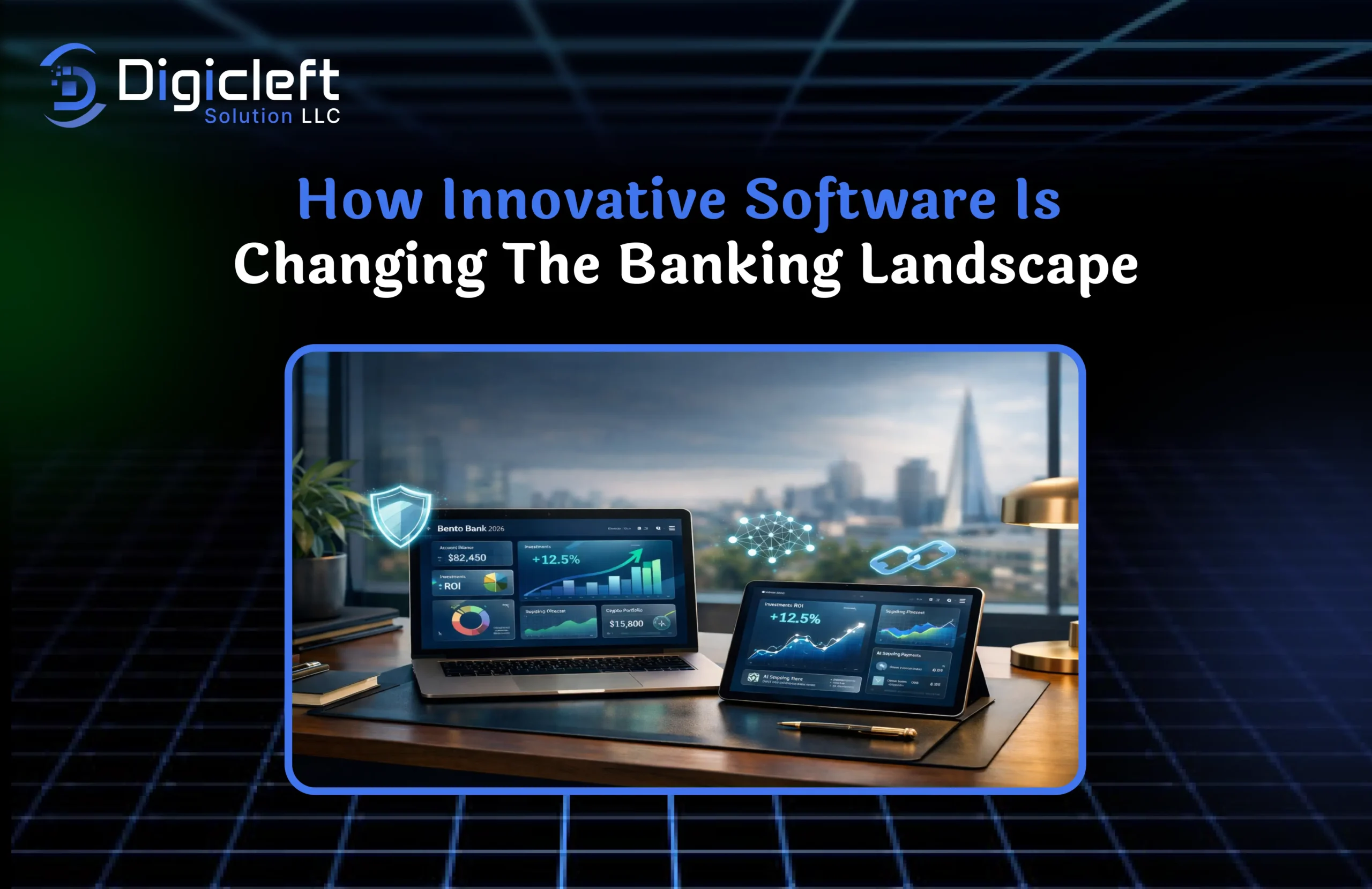
Banking today doesn’t look anything like it did twenty years ago and honestly, that’s a good thing. Gone are the days of endless paperwork, long queues, and “please visit your nearest branch” responses. Innovative software has stepped in like a quiet superhero, transforming how banks operate, serve customers, and compete in a fast-moving digital world.
Why Banks Can’t Ignore Technology Anymore
Customers expect speed, simplicity, and personalization. If a food delivery app can remember your favorite order, why shouldn’t your bank remember your financial preferences? This shift in expectations has forced banks to rethink everything and software is at the center of that change.
From Paperwork to Platforms
What once required stacks of documents and manual approvals now happens in seconds through digital platforms. Software has turned banking into an always-on service, accessible anytime, anywhere.
The Evolution of Banking Software
Traditional Banking Systems vs Modern Software
Legacy banking systems were built for stability, not agility. They worked but slowly. Modern banking software, on the other hand, is flexible, scalable, and designed to evolve.
The Limitations of Legacy Systems
Old systems are expensive to maintain, hard to integrate, and painfully slow to update. Think of them like an old flip phone trying to run today’s apps it’s just not built for it.
Rise of Cloud-Native Banking Solutions
Cloud-based platforms allow banks to roll out new features faster, reduce infrastructure costs, and scale effortlessly. It’s banking without borders or bottlenecks.
Core Banking Transformation Through Innovation
Real-Time Processing and Automation
Innovative software enables real-time transactions, instant account updates, and automated workflows. No more waiting days for transfers to clear everything happens now.
API-Driven Banking Ecosystems
APIs are the connectors of modern banking. They allow banks to integrate with third-party services, fintech apps, and payment platforms seamlessly.
The Role of Artificial Intelligence in Banking
AI-Powered Customer Support
Chatbots and virtual assistants handle routine queries 24/7, freeing up human agents for complex issues. It’s like having a digital concierge for your finances.
Fraud Detection and Risk Management
AI analyzes transaction patterns in real time, flagging suspicious activity before damage is done. It’s faster, smarter, and far more accurate than manual checks.
Fintech Collaboration and Open Banking
How Open APIs Are Reshaping Financial Services
Open banking allows customers to securely share their financial data with trusted third-party apps. This transparency fuels innovation and gives users more control.
Banks and Fintechs: From Rivals to Partners
Instead of competing, banks now collaborate with fintechs to deliver better services. It’s less “us vs them” and more “let’s build together.”
Enhanced Customer Experience Through Software
Personalized Banking Journeys
Innovative software uses data to tailor offers, insights, and recommendations. Your bank starts to feel less like a corporation and more like a financial coach.
Mobile-First and Digital-Only Banking
Mobile apps have become the primary banking channel. From opening accounts to applying for loans, everything fits in your pocket.
Data Analytics and Smarter Decision-Making
Predictive Analytics in Banking
Banks can now anticipate customer needs, detect risks early, and optimize products using predictive models.
Turning Data into Competitive Advantage
Data isn’t just numbers it’s insight. The banks that use it wisely stay ahead of the curve.
Cybersecurity and Compliance in the Digital Era
Software-Driven Security Frameworks
Advanced encryption, biometric authentication, and AI-driven monitoring keep customer data safe.
Meeting Regulatory Demands with Technology
Compliance software automates reporting, audits, and regulatory checks, reducing risk and human error.
Automation and Process Optimization
Robotic Process Automation (RPA)
RPA handles repetitive tasks like data entry and reconciliation, boosting efficiency and accuracy.
Faster Operations, Lower Costs
Automation cuts operational costs while speeding up service delivery a win-win for banks and customers.
The Impact of Blockchain and Distributed Ledger Technology
Secure Transactions and Transparency
Blockchain ensures tamper-proof records and transparent transactions, especially in cross-border payments.
Smart Contracts in Banking
Self-executing contracts reduce paperwork and eliminate intermediaries, making processes faster and cheaper.
How Innovative Software Supports Financial Inclusion
Reaching the Unbanked and Underbanked
Digital platforms make banking accessible to people in remote or underserved regions.
Digital Wallets and Microfinance Platforms
These tools empower individuals and small businesses, driving economic growth.
The Role of Custom Software Providers
Tailored Solutions for Modern Banks
Every bank has unique needs. Custom software ensures the perfect fit, not a one-size-fits-all approach.
Why Banks Choose Digicleft Solution
Digicleft Solution stands out by delivering scalable, secure, and user-centric banking software tailored to real-world challenges.
Challenges in Adopting Innovative Banking Software
Change Management and Cultural Shifts
Technology is easy compared to changing mindsets. Successful adoption requires training and leadership support.
Integration with Existing Systems
Blending new software with old infrastructure takes planning but the payoff is worth it.
The Future of Banking Software
Embedded Finance and Beyond
Banking will increasingly blend into everyday apps from shopping to ride-sharing.
What the Next Decade Looks Like
Expect smarter automation, deeper personalization, and more collaboration across the financial ecosystem.
Conclusion: Innovation as a Competitive Necessity
Innovative software isn’t just changing banking it’s redefining it. Banks that embrace digital transformation stay relevant, resilient, and ready for the future. Those that don’t risk becoming relics. With partners like Digicleft Solution, the journey becomes not just possible, but powerful.
FAQs
- How is software innovation improving banking customer experience?
By enabling faster transactions, personalized services, and 24/7 digital access. - What role does AI play in modern banking?
AI enhances customer support, fraud detection, and data-driven decision-making. - Why are banks moving to cloud-based software?
For scalability, cost efficiency, faster innovation, and improved security. - How does innovative software help with banking compliance?
It automates reporting, monitoring, and regulatory checks, reducing risk. - Why is Digicleft Solution important in banking transformation?
Because it offers customized, future-ready software aligned with modern banking needs.