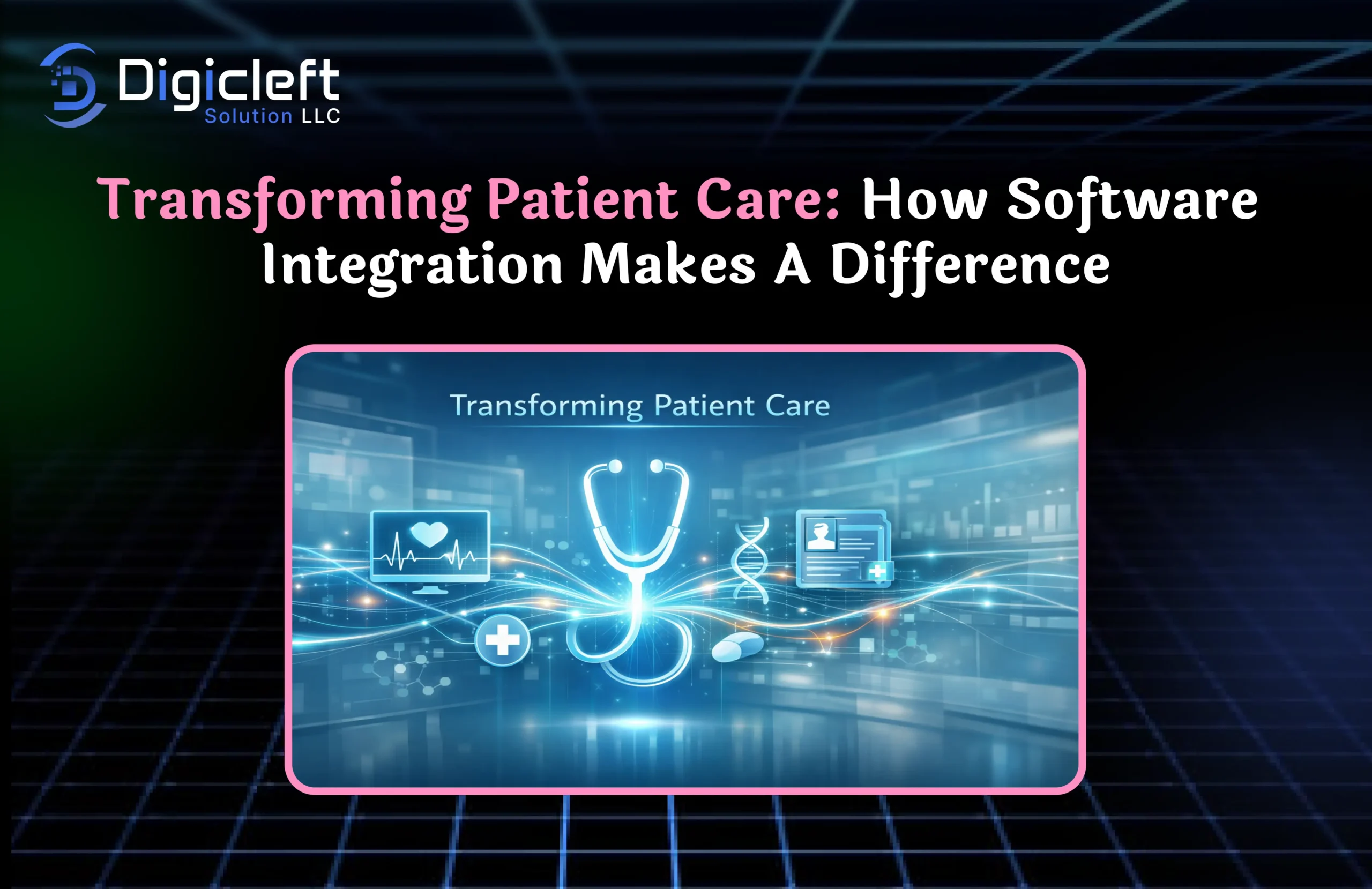
Healthcare isn’t what it used to be and that’s a good thing. Gone are the days when patient records lived in filing cabinets and doctors relied on phone calls and faxes to share information. Today, patient care is rapidly evolving, and software integration is at the heart of this transformation.
Why Patient Care Needs a Technology Upgrade
Patients expect faster service, personalized care, and transparency. Clinicians need instant access to accurate data, while administrators want smoother workflows. Without modern technology, meeting these expectations is like trying to run a marathon in flip-flops possible, but painfully inefficient.
The Shift from Fragmented Systems to Integrated Care
Most healthcare providers use multiple software systems such as EHRs, billing platforms, lab systems, and scheduling tools. When these systems don’t communicate, confusion follows. Integration connects the dots, transforming scattered tools into one cohesive digital ecosystem.
What Is Software Integration in Healthcare?
Defining Software Integration Simply
Think of software integration as a universal translator. It allows different systems to understand, share, and use information seamlessly. Instead of manually entering the same data multiple times, integrated systems synchronize automatically.
How Integrated Systems Communicate Behind the Scenes
Behind the scenes, APIs, data standards, and secure protocols ensure information flows smoothly. The technology may be invisible, but the results are clear faster care, fewer errors, and happier patients.
The Real Problems with Disconnected Healthcare Systems
Data Silos and Their Impact on Patient Safety
When patient data is trapped in silos, clinicians make decisions with incomplete information. This can lead to missed allergies, duplicated tests, and delayed diagnoses serious risks caused by disconnected systems.
Operational Collapse and Inefficiency
Staff spend countless hours switching between platforms, re-entering data, and fixing errors. This is exhausting, costly, and completely avoidable with proper system integration.
How Software Integration Improves Patient Care
Faster Access to Accurate Patient Data
Integrated systems give clinicians a complete, real-time view of patient history including lab results, prescriptions, imaging, and notes all in one place.
Better Clinical Decision-Making
When doctors have the full picture, decisions improve. Integrated analytics highlight trends, flag risks, and support evidence-based care.
Reducing Medical Errors Through Automation
Automation eliminates manual data entry, reducing typos, miscalculations, and treatment errors. It’s like spellcheck for patient care.
Enhancing Patient Experience Through Integrated Software
Seamless Appointments and Scheduling
Patients can book appointments online, receive reminders, and check in digitally. Everything syncs automatically, reducing wait times and frustration.
Personalized Patient Journeys
Integrated systems enable customized care plans, follow-ups, and communication. Patients feel seen, heard, and cared for not processed.
The Role of Digicleft Solutions in Healthcare Integration
Why Digicleft Solutions Stands Out
Digicleft Solutions brings a human-centered approach to healthcare software integration. Instead of forcing one-size-fits-all tools, it focuses on flexibility, scalability, and real-world usability.
Custom Integration Tailored for Healthcare Providers
From hospitals to clinics, Digicleft Solutions designs integrations that fit existing workflows rather than disrupt them resulting in faster deployment and measurable improvements in patient care.
Interoperability: The Backbone of Modern Healthcare
What Interoperability Really Means
Interoperability ensures different systems can exchange and interpret data effectively. It’s not just about sharing information it’s about understanding it.
Standards That Make Integration Possible
Healthcare standards like HL7 and FHIR provide a common language, enabling systems to work together without friction.
Data Security and Compliance in Integrated Systems
Protecting Sensitive Patient Information
Integration does not mean vulnerability. Modern solutions use encryption, access controls, and continuous monitoring to safeguard patient data.
Staying Compliant with Healthcare Regulations
Regulations such as HIPAA are built into well-designed integration strategies, ensuring trust and legal compliance.
Improving Clinical Workflow Efficiency
Automating Routine Tasks
From appointment notifications to billing, automation frees staff from repetitive administrative work.
Allowing Clinicians to Focus on Care, Not Clicks
Less screen time means more face time with patients where real healing happens.
The Impact of Integration on Telemedicine
Virtual Care Made Smarter
Integrated telemedicine platforms connect video visits with EHRs, prescriptions, and billing systems seamlessly.
Connecting Remote Monitoring Devices
Wearables and IoT devices feed real-time data directly into patient records, enabling proactive and preventive care.
Cost Savings and ROI of Software Integration
Reducing Operational Costs
Improved efficiency lowers labor costs, reduces duplication, and minimizes errors.
Long-Term Financial Benefits
Better outcomes, improved retention, and scalable systems deliver strong ROI over time.
Challenges in Healthcare Software Integration
Legacy Systems and Resistance to Change
Old systems and habits are hard to replace, but with the right strategy, modernization is achievable.
How to Overcome Integration Barriers
Clear planning, stakeholder buy-in, and experienced partners like Digicleft Solutions make all the difference.
Best Practices for Successful Integration
Choosing the Right Technology Partner
Experience, flexibility, and healthcare expertise matter.
Planning, Testing, and Scaling
Integration is not a one-time event it’s an ongoing journey.
The Future of Patient Care with Integrated Systems
AI, Predictive Analytics, and Smart Care
Integration unlocks advanced technologies that predict risks and personalize treatment.
What the Coming Decade Looks Like
Smarter systems, empowered patients, and care that is proactive rather than reactive.
Conclusion
Software integration is no longer a luxury it’s a necessity. By connecting systems, streamlining workflows, and empowering clinicians, healthcare organizations can deliver safer, faster, and more personalized care. With partners like Digicleft Solutions, the path to integrated, patient-centered healthcare has never been clearer.
FAQ
What is healthcare software integration?
It is the process of connecting different healthcare systems so they can share and use data seamlessly.
How does integration improve patient safety?
By providing complete, accurate data and reducing manual errors.
Is software integration expensive?
While there is an upfront cost, long-term savings and improved outcomes deliver strong ROI.
Can small clinics benefit from integration?
Yes. Scalable solutions make integration accessible for healthcare organizations of all sizes.
Why choose Digicleft Solutions for healthcare integration?
Because it delivers flexible, secure, and healthcare-focused integrations tailored to real-world needs.