
Courting is no longer what it used to be and neither is marriage. Once upon a time, a family friend or a local matchmaker held the keys to your future. Today, software does. And surprisingly, that is not a bad thing.
How Dating Has Evolved Over the Decades
Let’s rewind for a moment. Traditional matchmaking relied on limited social circles, handwritten notes, and a great deal of guesswork. Compatibility was based on surface-level traits such as age, status, education, and sometimes a horoscope. Fast forward to today, and we live in a world where algorithms often understand us better than our neighbors ever did.
Why Technology Now Leads the Matchmaking Game
Technology stepped in because people demanded choice, speed, and accuracy. Modern users want control and transparency. They want matches that genuinely make sense. Innovative software solutions have transformed matchmaking from a gamble into a calculated, data-driven process.
The Shift from Traditional Matchmaking to Digital Platforms
This transition did not happen overnight. It occurred because digital platforms solved problems that traditional systems could not.
Family Matchmakers vs Smart Algorithms
Family matchmakers work on intuition. Algorithms work on data. Think of it as comparing a compass to GPS both guide you, but one adapts in real time. Matrimonial software analyzes thousands of data points to identify compatibility patterns humans often miss.
Cultural Sensitivity in Modern Matrimonial Software
Here’s the smart part: modern platforms are not ignoring culture they are digitizing it. Language preferences, community values, and religious beliefs are seamlessly integrated into intelligent systems without feeling outdated.
Role of Innovative Software in Matrimonial Matches
Data-Driven Compatibility Analysis
Forget random matches. Today’s systems analyze behavior, interests, communication styles, and life goals.
Behavioral Patterns and Preferences
Who do you respond to quickly? Which profiles do you spend time on? Software observes these patterns and learns what genuinely attracts you—not just what you claim to want.
AI and Machine Learning in Matchmaking
AI continuously refines matches. The more you interact, the smarter it becomes—like a friend with a perfect memory and zero judgment.
Personalized Matchmaking Experiences
One-size-fits-all is officially obsolete.
Beyond Age and Horoscope Matching
Age matters—but so do ambition, emotional maturity, and lifestyle choices. Modern matrimonial platforms ask the deeper questions that define long-term compatibility.
Emotional Intelligence and Value Alignment
Can software understand emotions? To an extent, yes. By analyzing communication patterns and responses, platforms can predict emotional compatibility more accurately than traditional methods.
Mobile-First Matrimonial Platforms
We live on our phones, and matchmaking has followed.
Dating Apps vs Matrimonial Apps
Dating apps focus on instant chemistry, while matrimonial apps emphasize long-term stability. The future blends both—emotion with intention.
UX/UI Design That Builds Trust

Clean interfaces, verified profiles, and transparent workflows make users feel secure. Good design is not decoration it is reassurance.
Privacy, Security, and Trust in Digital Matrimony
Data Protection and User Verification
Advanced encryption, document verification, and controlled data sharing are now standard. Users choose what to share and when.
Fighting Fake Profiles and Scams
AI-powered moderation tools instantly flag suspicious activity, keeping platforms authentic and communities safe.
The Power of AI in the Future of Dating
AI is not replacing love it is removing noise.
Predictive Match Success Scores
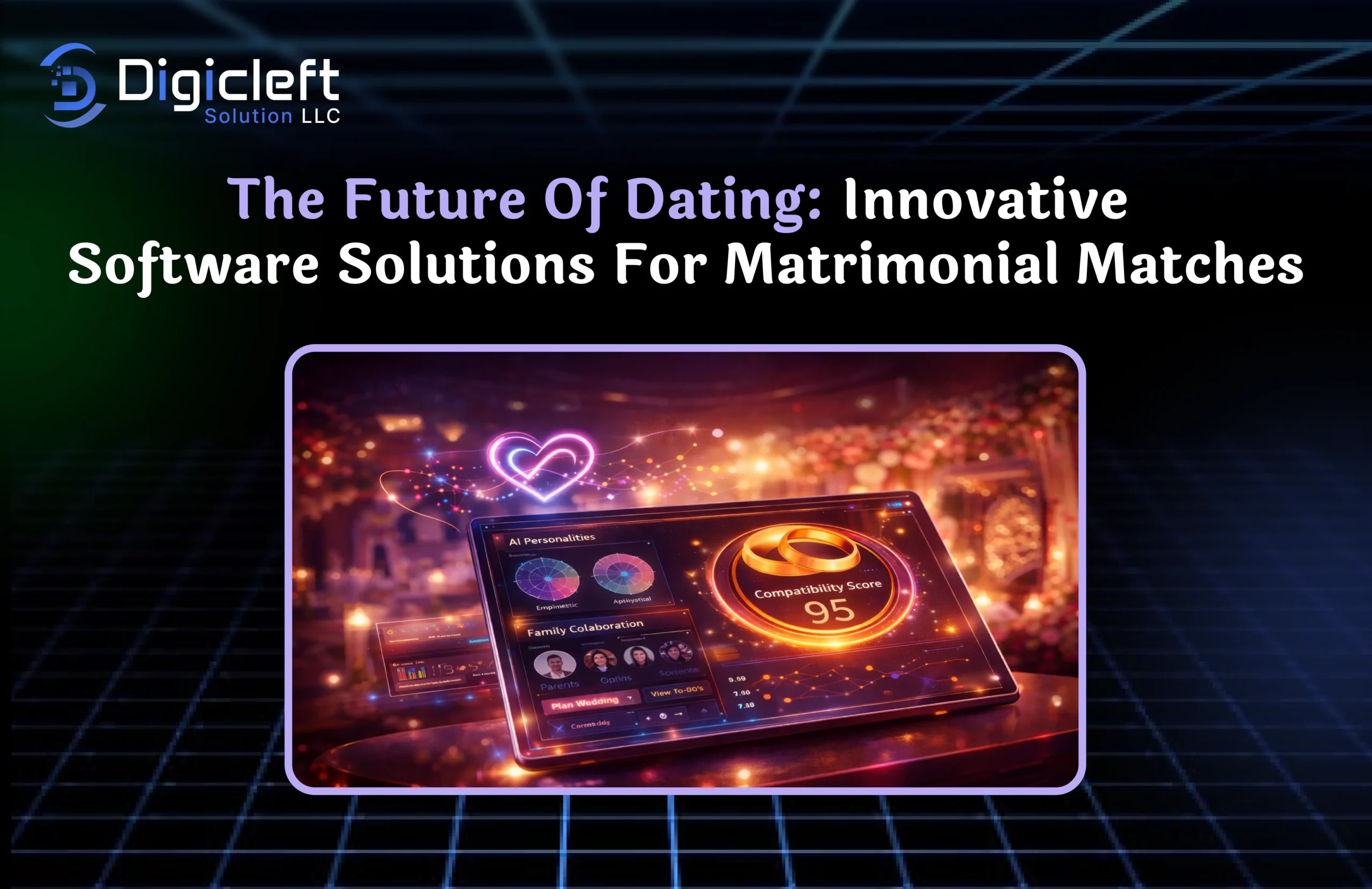
Some platforms offer compatibility scores that predict long-term success using real data—think of it as relationship weather forecasting.
AI Chat Assistants and Conversation Starters
Awkward first messages? AI helps break the ice without sounding robotic. The goal is connection, not automation.
Regional, Cultural, and Community-Based Matching
Language, Traditions, and Beliefs
Software now adapts to regional customs, festivals, and communication styles, making the experience feel familiar rather than foreign.
Hyper-Local Matchmaking Trends
City-based and community-specific platforms are booming as people seek partners who understand their everyday lives.
The Rise of Niche Matrimonial Platforms
Profession-Based Matchmaking
Doctors, entrepreneurs, creatives profession-focused platforms reduce friction by aligning lifestyles from day one.
Lifestyle and Value-Based Platforms
Vegan, spiritual, fitness-focused? There is a platform for every belief system. Shared values reduce future conflict.
Video Profiles and Virtual Introductions
From Static Photos to Real-Time Interaction
Short videos add personality. You hear a voice, see expressions, and sense authenticity instantly.
Building Authentic Digital Connections
Virtual introductions allow emotional bonding before physical meetings, saving time and reducing mismatches.
Role of Software Companies in Shaping the Future
Custom Matrimonial Software Development
Off-the-shelf solutions no longer suffice. Custom software ensures scalability, security, and culturally tailored features.
How Digicleft Solutions Is Transforming Matchmaking Tech
Digicleft Solutions focuses on building intelligent, secure, and user-centric matrimonial platforms. By combining AI, UX design, and scalable architecture, it creates future-ready matchmaking ecosystems that feel human not mechanical.
Monetization Models in Matrimonial Software
Freemium vs Subscription-Based Platforms
Freemium attracts users, while premium features retain serious seekers. Balance is key.
Ethical Monetization Practices
The best platforms do not exploit emotions. They add value through better matches, deeper insights, and real support.
Challenges in the Future of Matrimonial Dating
Algorithm Bias and Human Emotions
Data cannot capture everything. Algorithms must be continuously reviewed to avoid bias and assumptions.
Balancing Technology with Tradition
Too much technology feels cold; too little feels outdated. The future lies in harmony.
What the Future Holds for Matrimonial Software
AI, AR, and VR in Matchmaking
Imagine virtual coffee dates or family meetings in VR. It sounds futuristic but it is closer than you think.
Long-Term Relationship Success Tracking
Future platforms may support couples beyond marriage, tracking milestones and offering guidance throughout the relationship.
Conclusion
The future of courting is not about replacing love with machines. It is about using intelligent software to remove uncertainty, reduce mismatches, and give love a stronger foundation. Matrimonial matchmaking is no longer just about finding someone it is about finding the right someone. With innovative software solutions leading the way, the journey to marriage is becoming clearer, safer, and surprisingly more human.
FAQs
- How is matrimonial software different from dating apps?
Matrimonial software focuses on long-term compatibility and marriage readiness, while dating apps prioritize casual connections. - Can AI really predict relationship success?
AI analyzes patterns and compatibility indicators to improve match quality, but human effort still matters. - Are digital matrimonial platforms safe?
Yes. Modern platforms use strong verification, encryption, and AI moderation for user safety. - What role do software companies play in matchmaking innovation?
They design, build, and evolve platforms that balance technology, culture, and human emotion. - Why is personalization important in matrimonial matches?
Because no two people are alike. Personalization increases compatibility and long-term happiness.