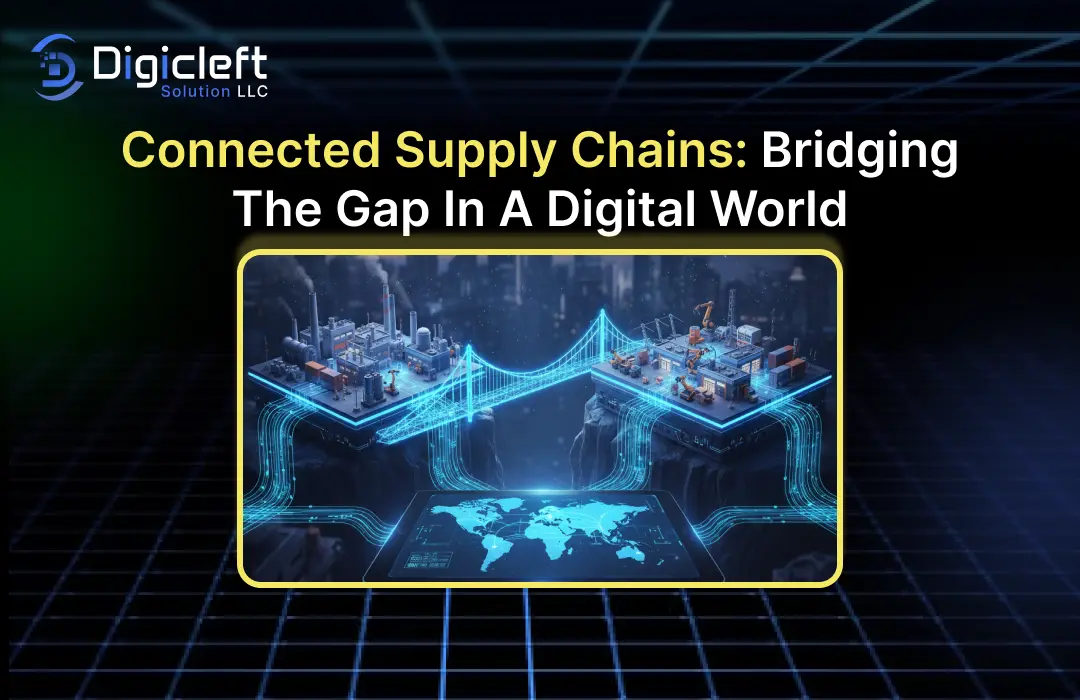
Ever felt like the global supply chain is one big jigsaw puzzle scattered, shifting, and full of missing pieces? You’re not alone. In an era where every second counts, disconnected systems can cost millions. That’s why connected supply chains have become the heartbeat of modern business combining technology, data, and human intelligence to create seamless operations.
In today’s digital world, success depends on connection not just between systems, but between people, partners, and insights.
The Shift Towards a Connected Supply Chain
Traditional vs. Connected Supply Chains
Old-school supply chains were linear supplier to manufacturer to customer. Information moved slowly, often too late to react. Connected supply chains flip that model. They thrive on real-time data, adaptive responses, and collaboration across the entire ecosystem.
Digitalization has transformed logistics from a paper-driven marathon to a data-fueled sprint.
How Digitalization Reshaped Logistics and Production
Technologies like IoT, AI, and cloud computing have turned supply chains into intelligent ecosystems. Each device, shipment, and warehouse becomes a data point continuously communicating to improve visibility and performance.
What Makes a Supply Chain Truly Connected?
- Cloud platforms unify information flow.
- IoT devices track goods in real time.
- AI models predict disruptions before they occur.
When all parts of the ecosystem communicate seamlessly, businesses gain end-to-end visibility and control a luxury traditional models never offered.
Benefits of a Connected Supply Chain
Real-Time Visibility and Decision-Making
Imagine knowing the exact location of every shipment and predicting delays hours before they happen. That’s what connected supply chains deliver proactive, not reactive management.
Cost Efficiency and Sustainability
With automation and smart forecasting, companies cut waste, reduce inventory costs, and minimize environmental impact all while speeding up delivery times.
Enhanced Resilience and Risk Management
When disruptions hit from geopolitical tensions to natural disasters connected systems reroute resources instantly. This flexibility keeps operations running and customers happy.
The Power of Data in Connected Networks
Data is the energy that drives connected supply chains. Through AI-powered analytics, organizations gain predictive insights from forecasting demand to identifying potential bottlenecks.
For example, machine learning algorithms can predict supply shortages weeks in advance, enabling strategic adjustments before a crisis even begins.
Collaboration Across the Value Chain
Connectivity isn’t just about technology it’s about teamwork. Shared digital platforms enable suppliers, manufacturers, and distributors to collaborate in real time.
Companies like Digicleft Solution empower enterprises with collaborative dashboards and AI insights, ensuring every stakeholder operates from the same source of truth.
Challenges in Building Connected Supply Chains
Data Silos and Legacy Systems
Many organizations still rely on outdated ERP systems that don’t integrate with modern tools. These silos block data flow, creating blind spots.
Cybersecurity Concerns
More connectivity means more vulnerability. Protecting sensitive supply chain data is now as critical as delivering products on time.
Change Management and Workforce Readiness
Technology alone can’t transform supply chains people must adapt too. Training teams and shifting mindsets remain major hurdles.
Overcoming Barriers with Smart Integration
A cloud-first strategy is key to bridging old and new. Middleware and APIs connect legacy systems to modern platforms without overhauling entire architectures.
Companies like Digicleft Solution specialize in building these bridges integrating platforms, securing data, and optimizing workflows across global operations.
The Role of Emerging Technologies
IoT for Real-Time Tracking
IoT sensors track shipment location, temperature, and condition enabling transparent logistics and faster issue resolution.
Blockchain for Trust and Transparency
Blockchain adds an immutable layer of security, making it easier to verify product origins, authenticate suppliers, and reduce fraud.
Artificial Intelligence for Decision Automation
AI automates everything from demand forecasting to dynamic pricing helping supply chains think and act autonomously.
Case Study – The Digicleft Solution Advantage
Digicleft Solution stands at the forefront of supply chain connectivity. By combining AI-driven analytics with secure cloud integration, it empowers businesses to break silos and unlock full visibility.
One of their success stories involves a global manufacturer who reduced logistics delays by 40% after adopting Digicleft’s connected platform. The result? Faster deliveries, happier customers, and stronger business continuity.
Connected Supply Chains and Sustainability
Connected ecosystems don’t just make operations faster they make them greener. From route optimization to automated inventory management, connectivity helps companies lower energy use, reduce waste, and cut carbon emissions.
How Connectivity Enhances ESG Goals
Real-time tracking enables transparent reporting on environmental and ethical performance helping brands meet ESG commitments with confidence.
The Human Factor in a Connected Ecosystem
No matter how advanced technology gets, humans remain the decision-makers. Connected supply chains empower people giving them insights, automation tools, and smarter workflows to make better decisions faster.
Upskilling the workforce is essential. After all, a connected world needs connected minds.
The Future of Connected Supply Chains
The next generation of supply chains will be predictive, autonomous, and adaptive. AI will make decisions on the fly, IoT devices will communicate seamlessly, and blockchain will ensure trust across every transaction.
With innovators like Digicleft Solution, the path to that future is already being built one connection at a time.
Conclusion
In a world that moves faster than ever, disconnected systems are no longer an option. A connected supply chain bridges the gap between technology and trust empowering businesses to be agile, transparent, and sustainable.
The digital world rewards those who stay connected and punishes those who don’t. So the real question is: are you ready to connect the dots?
FAQs
1. What is a connected supply chain?
A connected supply chain integrates digital technologies to enable real-time data sharing, automation, and collaboration across all stakeholders.
2. How does AI improve supply chain visibility?
AI analyzes massive datasets to predict disruptions, forecast demand, and optimize logistics decisions.
3. What are the biggest challenges in digital transformation?
Legacy systems, data silos, and resistance to change are the most common roadblocks.
4. How does Digicleft Solution support connected supply chains?
Digicleft Solution helps enterprises integrate platforms, enhance data visibility, and automate decision-making using AI and cloud technology.
5. What trends define the future of supply chain connectivity?
AI, IoT, blockchain, and sustainable digital ecosystems will shape the next era of supply chain transformation.