
Education has always evolved with society, but the digital age has brought a metamorphosis unlike any before. Classrooms no longer rely solely on chalk and textbooks. Instead, they’re powered by interactive displays, online resources, and smart tools that make learning faster, more engaging, and more personalized. The driving force behind this revolution? Technology and it’s rewriting the very rules of how we learn.
The Digital Transformation in Education
Think back a couple of decades the highlight of classroom tech was the overhead projector. Fast forward to today, and students are participating in virtual science labs, collaborating on cloud-based documents, and accessing a world of knowledge from their smartphones.
From chalkboards to smartboards, the shift is monumental. Online platforms have replaced heavy encyclopedias, and video-based learning has made even complex concepts digestible. Education is no longer tied to a physical classroom; it’s available anywhere, anytime.
Key Technologies Shaping Education

Artificial Intelligence (AI) and Adaptive Learning
AI acts like a personal tutor that never sleeps. It analyzes progress, identifies weaknesses, and customizes lesson plans. Adaptive platforms adjust content in real time, ensuring unique learning experiences.
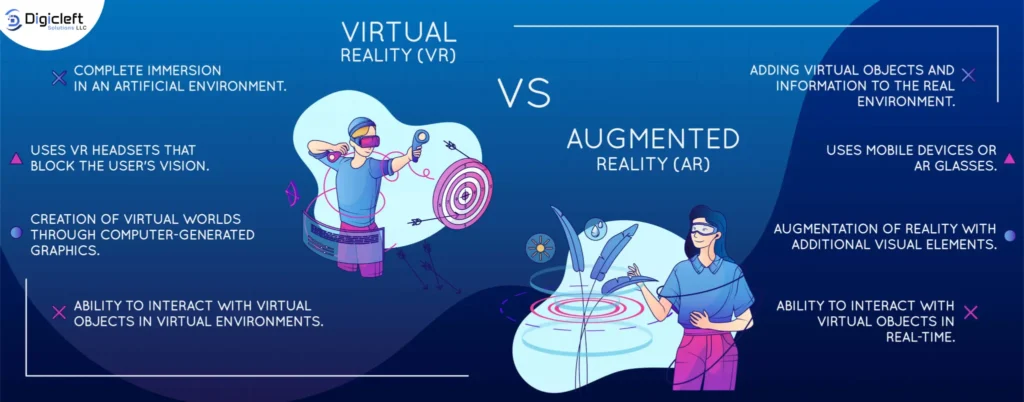
Virtual Reality (VR) and Augmented Reality (AR)
Why read about the pyramids when you can walk through them virtually? VR and AR bring abstract concepts to life from digital frog dissections to space exploration.
Gamification of Learning
By adding points, badges, and leaderboards, learning feels like a game. History turns into interactive quests, and math becomes an engaging mission.
Cloud Computing
Cloud-based platforms let students and teachers access resources from anywhere, keeping the classroom open 24/7.
The Rise of E-Learning Platforms
- Massive Open Online Courses (MOOCs): Platforms like Coursera, edX, and Khan Academy democratize education globally.
- Subscription-Based Skill Learning: Sites like Skillshare and MasterClass help learners acquire specialized skills at their own pace.
- Personalized Dashboards: Real-time progress tracking gives students clarity on strengths and weaknesses.
Benefits of Technology in Education
- Accessibility & Inclusivity: Tools like screen readers, captioning, and translation software remove barriers.
- Flexibility: Supports different learning styles visual, auditory, and hands-on.
- Cost-Effectiveness: Reduces reliance on expensive textbooks and infrastructure.
- Remote Learning: Students in rural areas can access education without traveling long distances.
Role of AI, VR & Gamification
AI: Predicts challenges and provides resources proactively.
VR & AR: Makes learning immersive and exploratory.
Gamification: Turns learning into a rewarding adventure with apps like Classcraft and Kahoot!
Challenges in Tech-Driven Education
- Digital Divide: Unequal access to devices and internet.
- Screen Time Issues: Overuse of devices can affect health.
- Teacher Training: Many educators need support to use new tools effectively.
Digicleft Solution – Innovating Education Delivery
Digicleft Solution bridges the gap between learners and modern technology. It offers cloud-based courses, real-time collaboration, and AI-powered learning paths. Implementations in schools have shown better engagement, higher completion rates, and stronger collaboration. For universities, it enables scalable programs that reach students worldwide.
The Future of Education Technology
- AI Teachers: Conversational, 24/7 tutoring assistants.
- Global Virtual Classrooms: Real-time collaboration between students worldwide.
- Lifelong Learning: Education for all ages, not just the young.
Conclusion
Technology isn’t replacing teachers it’s empowering them. With platforms like Digicleft Solution leading the way, the future of learning will be digital, dynamic, and accessible to all.
FAQs
1. How does technology improve education quality?
It provides personalized, accessible, and interactive learning experiences tailored to each student’s needs.
2. What’s the role of AI in classrooms?
AI tracks progress, predicts challenges, and customizes learning paths.
3. Are VR tools expensive for schools?
Costs are decreasing, and shared VR labs are making adoption affordable.
4. How can rural students benefit from EdTech?
Through online platforms, they can access quality education without leaving their communities.
5. Will teachers be replaced by technology?
No. Technology enhances teaching but cannot replace human guidance, empathy, and mentorship.