Let’s be honest every tech product these days seems to call itself “AI-powered.” From toothbrushes to email tools, “AI” has become the shiny label everyone slaps on to sound futuristic. But here’s the uncomfortable truth not all of them actually use artificial intelligence.
This practice has a name: AI agentwashing. And it’s more than just a marketing trick. It’s a growing issue that could reshape how consumers, businesses, and even investors view technology.
So, let’s unpack what AI agentwashing really means, why it’s happening, and what it’s costing us — socially, economically, and ethically.
Understanding AI Agentwashing
What’s AI Agentwashing?
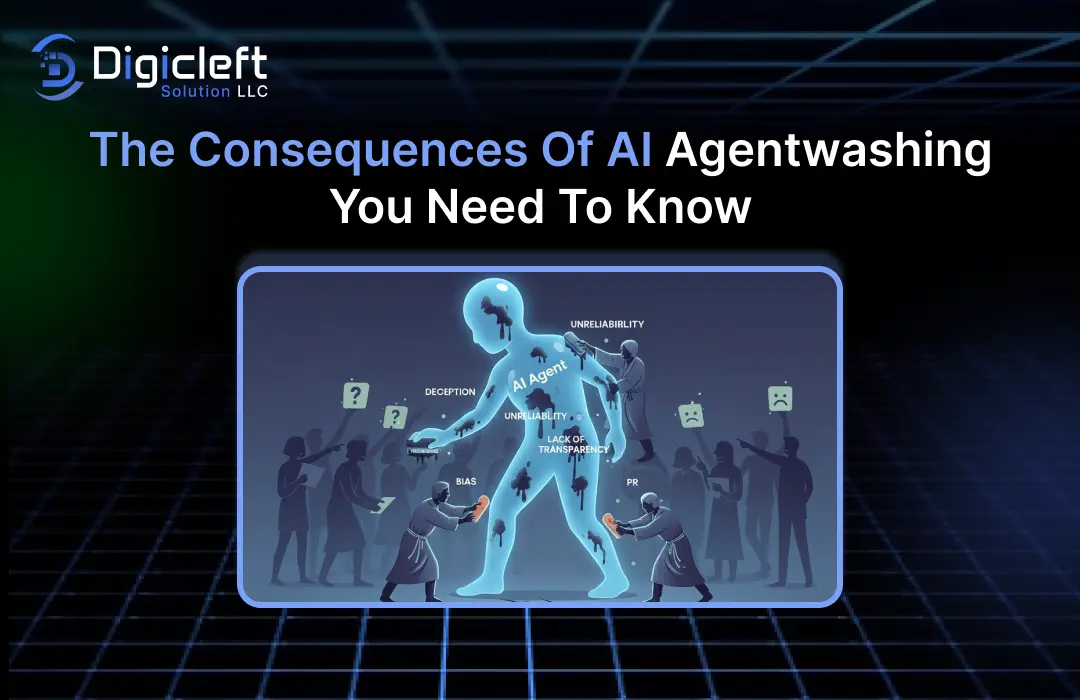
AI agentwashing refers to the misrepresentation or exaggeration of artificial intelligence capabilities in products, services, or marketing.
Imagine a chatbot that’s marketed as “AI-driven,” but behind the curtain, it’s just a set of if/then rules with no real machine learning. That’s AI agentwashing in action.
Where Did the Term Come From?
The term borrows inspiration from “greenwashing” — where companies falsely advertise their eco-friendliness. Similarly, AI agentwashing is about pretending to be more technologically advanced than one actually is.
How It Looks in the Real World
- A “smart” app that automates a task using simple code, not AI.
- Marketing tools claiming predictive insights but using static data.
- “AI assistants” that don’t actually learn from users.
Why AI Agentwashing Is Spreading So Fast
The simple reason? Hype sells.
Every company wants to be seen as innovative. Investors love “AI startups.” Consumers are fascinated by intelligent systems. So, businesses feel pressured to sprinkle “AI” everywhere — even when the tech doesn’t justify it.
The Investor Pressure
The race for funding is fierce. Startups pitch “AI-first” ideas to attract capital, even when their tech stack barely scratches the surface of intelligence.
The Media Hype
Tech journalism often rewards novelty. When every headline screams “AI Revolution,” companies want to ride the wave.
Consumer Confusion
Most users can’t tell real AI from rule-based automation. This lack of knowledge makes agentwashing easier and more profitable.
Real-World Examples of AI Agentwashing
Let’s face it — we’ve all seen it.
Marketing Tools That Aren’t Really Smart
Some platforms claim to “predict customer behavior using AI,” but in reality, they’re just reading analytics and applying pre-set filters.
Widgets That Fake Intelligence
“AI cameras” that just apply beauty filters. “Smart fridges” that can’t recognize food items. Sound familiar?
Fake AI Assistants
Many “AI chatbots” are rule-based — no deep learning, no contextual understanding, just pre-written responses disguised as intelligence.
The Hidden Dangers of AI Agentwashing
Loss of Trust
When consumers realize they’ve been misled, trust crumbles — not just for one company, but for the entire AI industry.
Misinformation Loops
False claims spread quickly, confusing the public about what AI can actually do. This slows real progress.
Innovation Stagnation
When everyone pretends to innovate, fewer companies actually push technological boundaries.
Economic Impact on Businesses
Misallocated Budgets
Businesses waste millions investing in “AI” solutions that don’t deliver promised results.
Loss of Credibility
Once exposed, the backlash can be brutal — think lost investors, disappointed clients, and public embarrassment.
Legal Risks
With emerging AI regulations, false claims could soon become compliance violations, leading to fines or lawsuits.
Ethical and Moral Consequences
Deceptive Practices
Misleading customers about intelligence levels isn’t just marketing fluff — it’s deception.
Erosion of Transparency
It blurs the line between automation and AI, making it harder to hold companies accountable.
The Human Impact
When businesses overpromise, real people lose faith — employees, customers, and even executives.
The Role of Media and Influencers
The Amplification Effect
Once a company calls itself “AI-powered,” news outlets repeat it without verification.
Echo Chambers of Hype
Influencers and YouTubers rave about “AI tools” without understanding what’s under the hood.
Digital Storytelling Gone Wrong
Storytelling should educate — but in the AI hype machine, it often exaggerates.
How to Spot AI Agentwashing
Red Flags
- Vague “AI-powered” claims with no explanation.
- No mention of data sources or learning models.
- Overpromising results like “100% accuracy.”
Ask the Right Questions
- What type of AI model powers this tool?
- Is the system trained on real-time or static data?
- How does it improve over time?
Look for Transparency
Authentic AI companies openly discuss data privacy, model limitations, and learning methods.
The Importance of AI Transparency
Why It Matters
Open communication builds trust and reduces misinformation.
Explainable AI
When users understand how decisions are made, they engage more confidently.
Responsibility
Transparent AI creates a culture where brands stand behind their claims.
Building Trust with Real AI Solutions
This is where Digicleft Solution stands apart.
Unlike agentwashers, Digicleft Solution focuses on genuine, data-driven intelligence — systems that learn, adapt, and evolve. The company believes in educating clients about AI’s limits and potential, building lasting trust through transparency.
That’s the kind of leadership the AI ecosystem needs.
The Role of Regulators and Standards
AI Labeling Standards
Countries are beginning to introduce rules requiring clear labeling for AI-powered tools.
Government Oversight
Agencies like the EU’s AI Office and others are demanding proof behind “AI” claims.
A Safer Future
The goal is simple — ensure technology is honest, fair, and accessible.
The Path Forward – Authentic Innovation
Ethical AI
If we want real progress, we must trade hype for honesty. Developers and brands must prioritize responsibility over recognition.
Collaborative Growth
Partnerships between academia, business, and regulators can ensure AI evolves ethically.
Digital Literacy
Educating consumers and employees helps everyone spot and stop AI agentwashing.
Conclusion – Why It’s Time to End AI Agentwashing
AI agentwashing may seem like clever marketing, but it’s actually eroding trust, innovation, and ethics. True intelligence doesn’t need exaggeration — it speaks for itself through performance and transparency.
The companies that will lead the AI revolution are the ones that show their work, not just sell their words. And that’s exactly the mindset that organizations like Digicleft Solution embody blending real AI with real integrity.
FAQs
1. What exactly is AI agentwashing? It’s when companies falsely claim that their products or services use artificial intelligence to appear more advanced or credible.
2. Why is AI agentwashing dangerous? It misleads consumers, wastes investments, and slows genuine AI innovation.
3. How can I tell if a product is truly AI-powered? Look for transparency — real AI companies explain how their models learn and adapt.
4. Are there regulations against AI agentwashing? Yes, governments are introducing standards to correct deceptive AI marketing practices.
5. How can businesses avoid agentwashing? By being honest about their technology, investing in real AI capabilities, and partnering with authentic providers like Digicleft Solution.